And in 1950, it was Jimmy who presented Olivia with her Best Actress Oscar for The Heiress.
TINTYPE TUESDAY: At Home (and on the Floor) with Montgomery Clift!
Welcome to another edition of TINTYPE TUESDAY! This week: a slightly early 95th-birthday tribute to Montgomery Clift.
Before Stanley Kubrick began telling stories with moving pictures, he told them with still-lifes, as a $50-a-week photojournalist for Look magazine in the mid to late 1940s. Some of his early photo essays were staged (I know—you’re shocked!), but as he matured, so did his work. His subjects included boxers like Rocky Graziano, musicians like Frank Sinatra, actors, artists, and everyday New Yorkers.
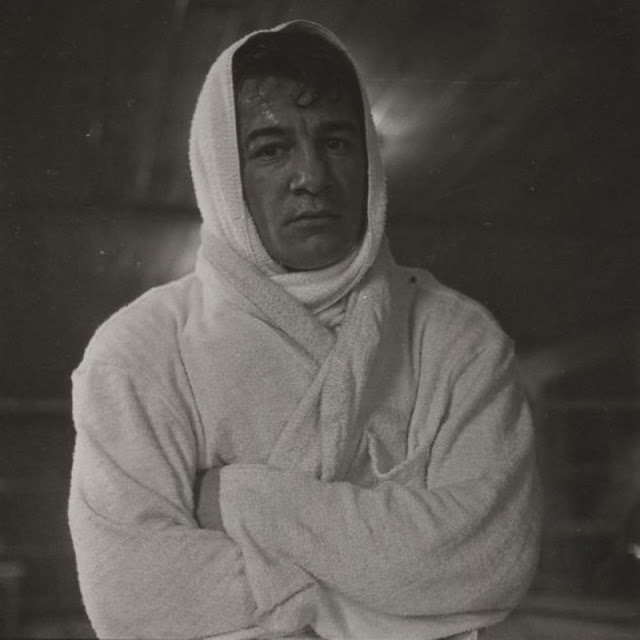
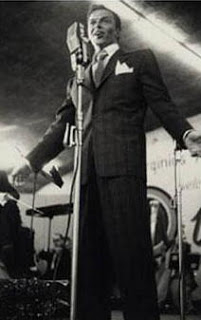
In 1949, he was tapped to do a study of Montgomery Clift, who, after years of terrific work on the stage, was suddenly an “overnight success” in Hollywood.
Earlier that year, Clift was nominated for a Best Actor Oscar in his first film, The Search; he was so natural, one reporter had asked director Fred Zinnemann, “Where did you find a soldier who could act so well?” Soon after, Red River (which had actually been filmed first) was released to raves, and The Heiress lay just ahead. But Kubrick, never one to put actors on pedestals, titled his photo essay “Glamour Boy in Baggy Pants.” He dropped by the actor’s Manhattan apartment earlier than expected—and the baggy pants he was met with were striped pajamas.
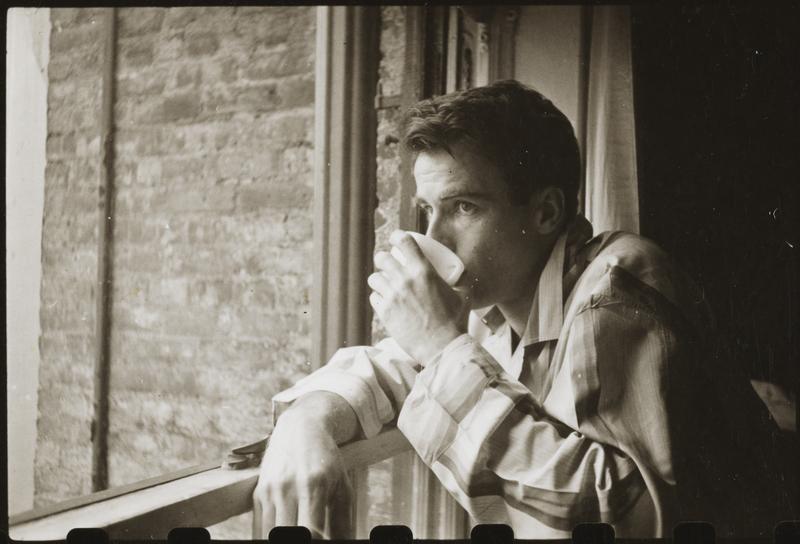
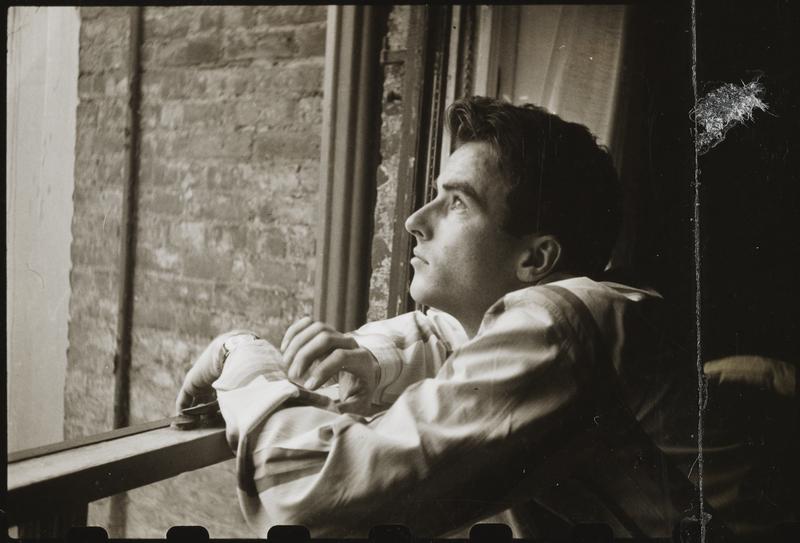
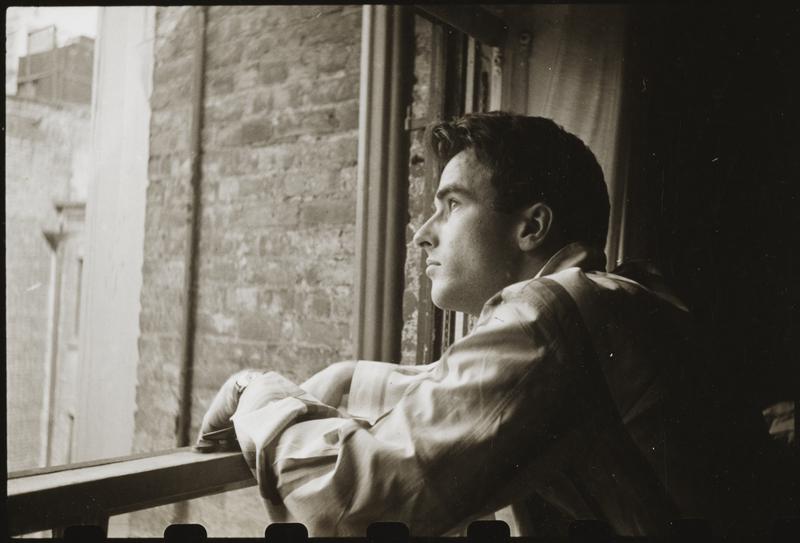
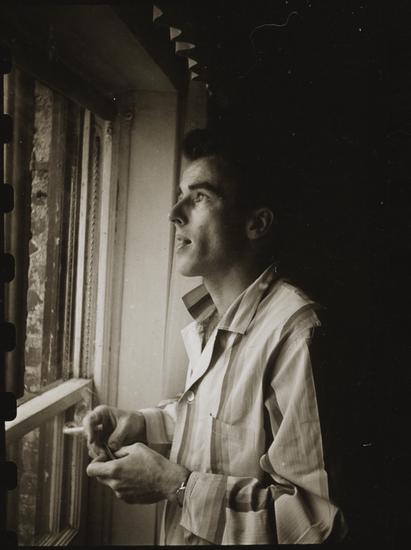
Would you scold him for drinking milk out of the carton?
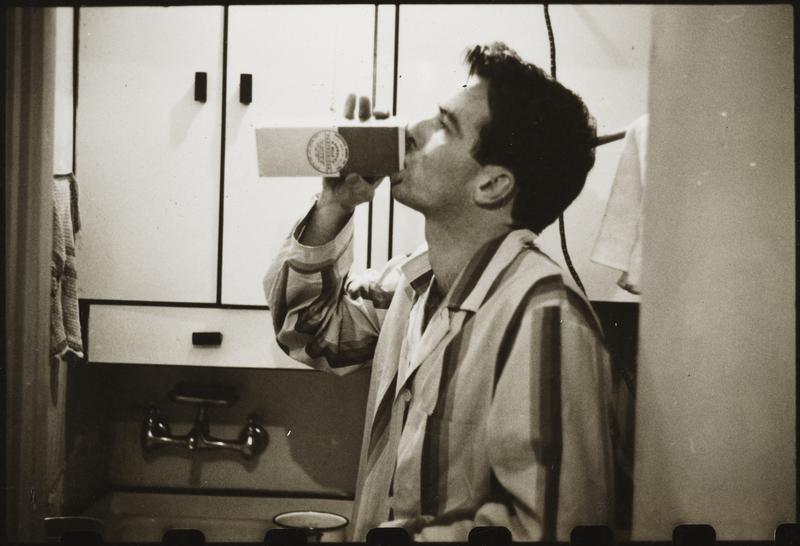
Clift was completely comfortable with the camera…
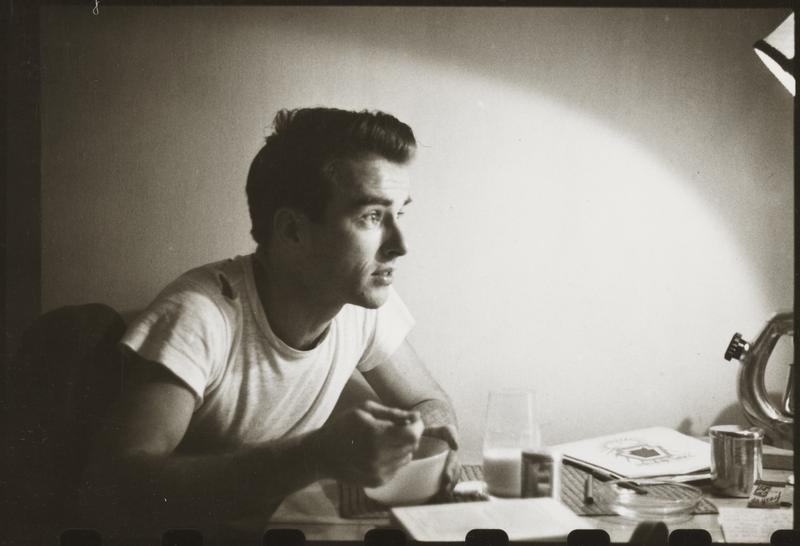
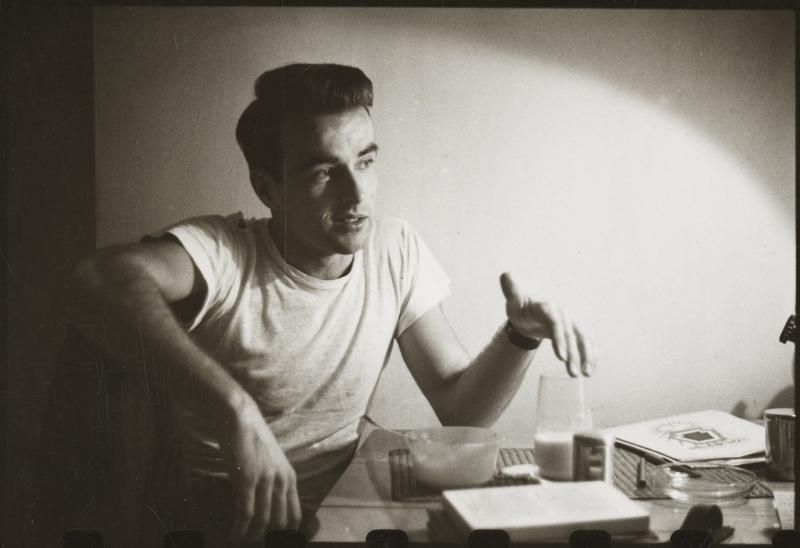
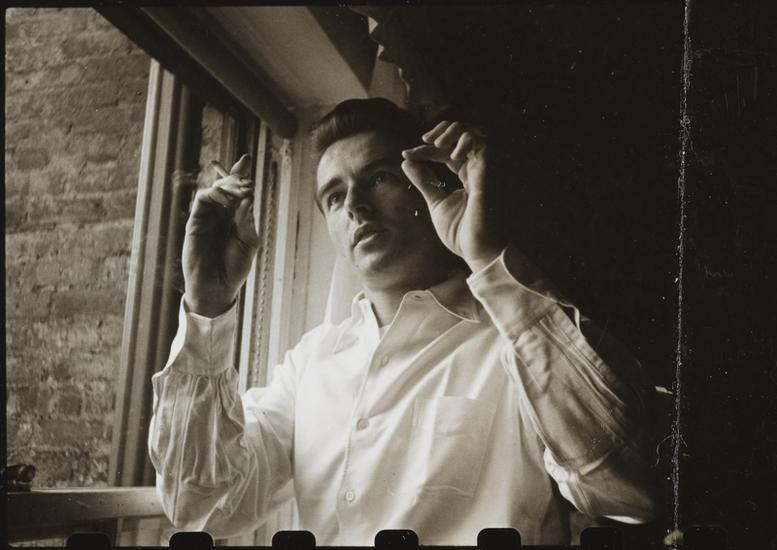
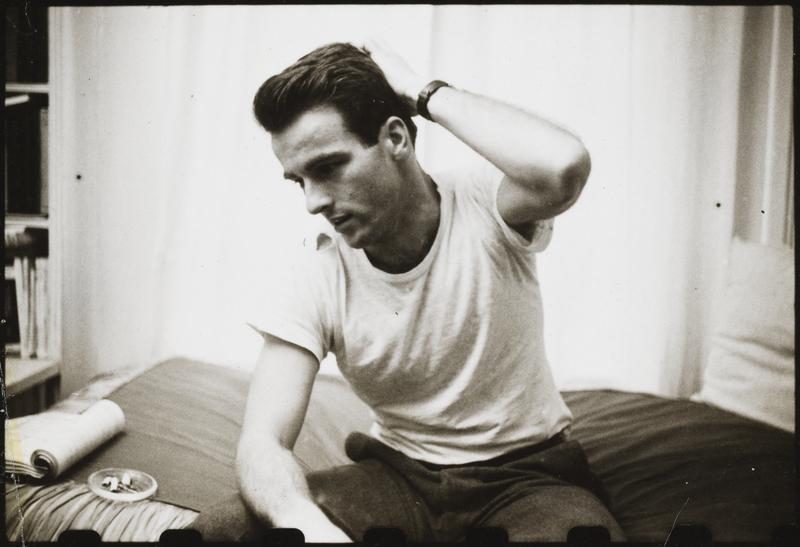
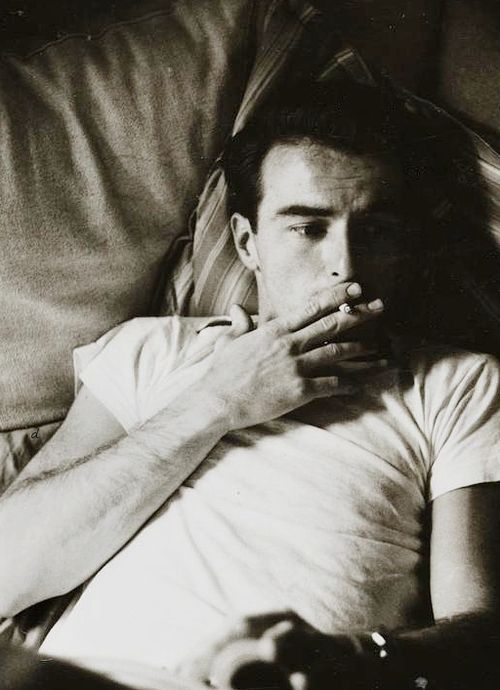
…but he loathed dealing with the media one on one. So for part of the shoot, he asked Kubrick to compromise and meet him at his friend Kevin McCarthy’s apartment. McCarthy was happy to run interference; an amateur photographer himself, he also showed off his kitchen-turned-darkroom. (Bonus points for the satin-piped blanket, a staple of every midcentury home, covering the door!)
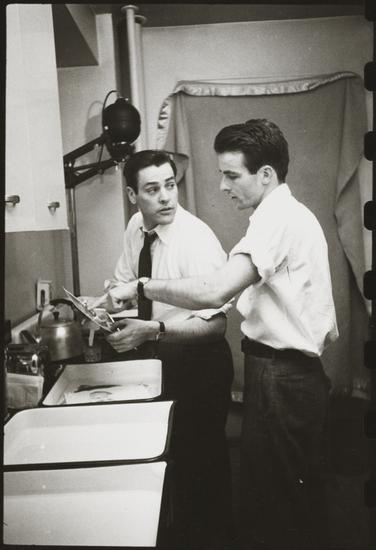
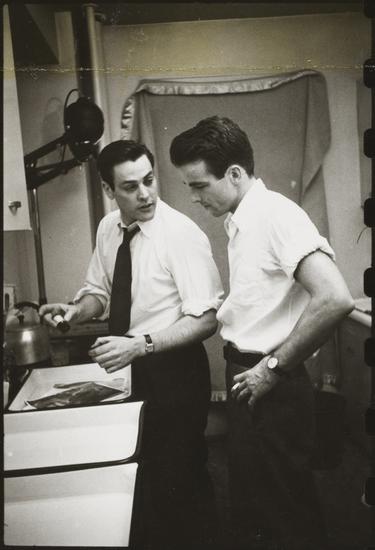
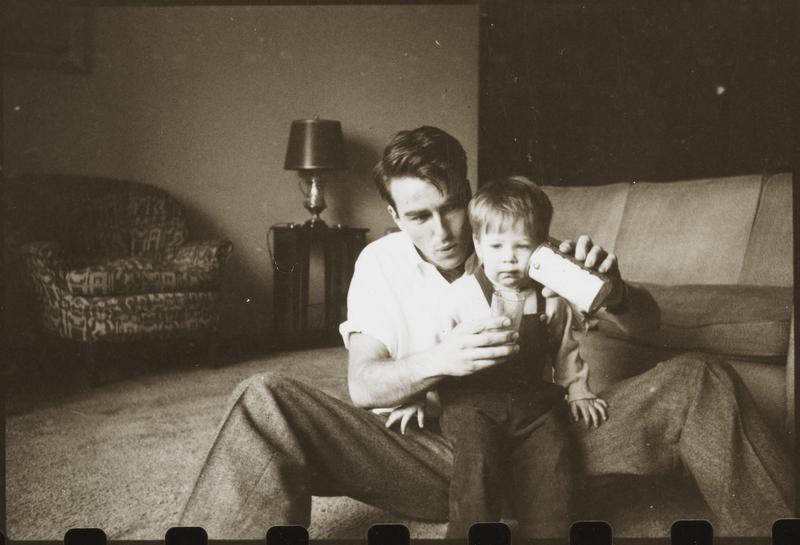
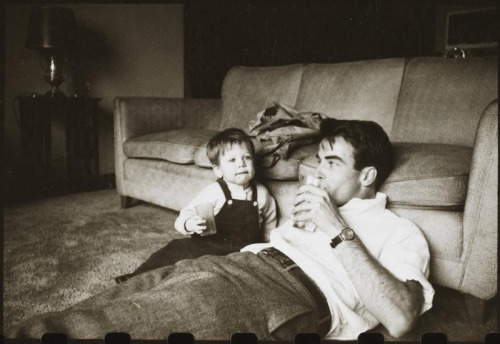
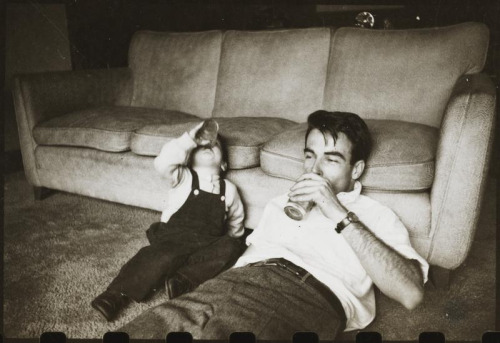
The two had grown close while working on Broadway in Chekov’s The Seal and later studied together at the Actors Studio. Clift spent many evenings with McCarthy and his wife, Augusta Dabney—usually ending up on the floor with their son, Flip.
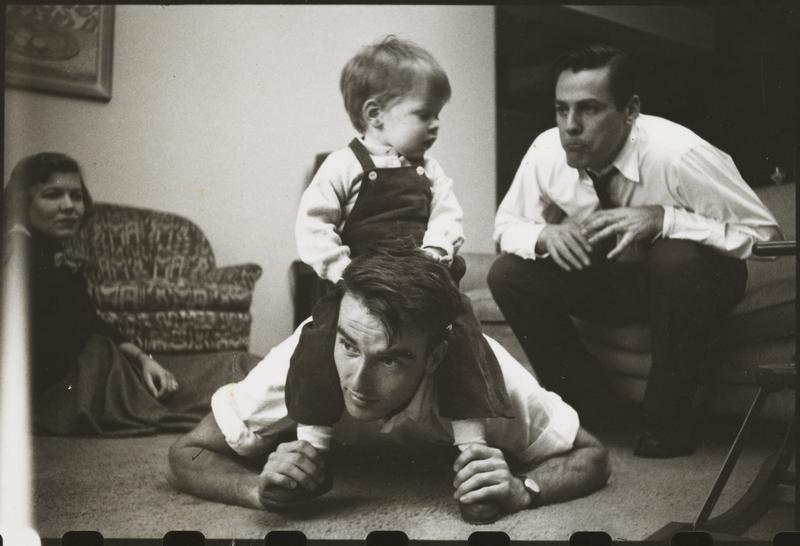
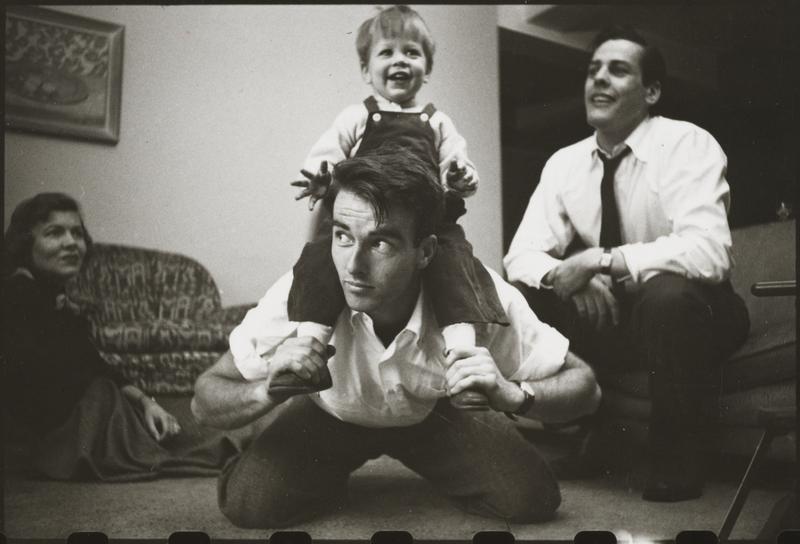
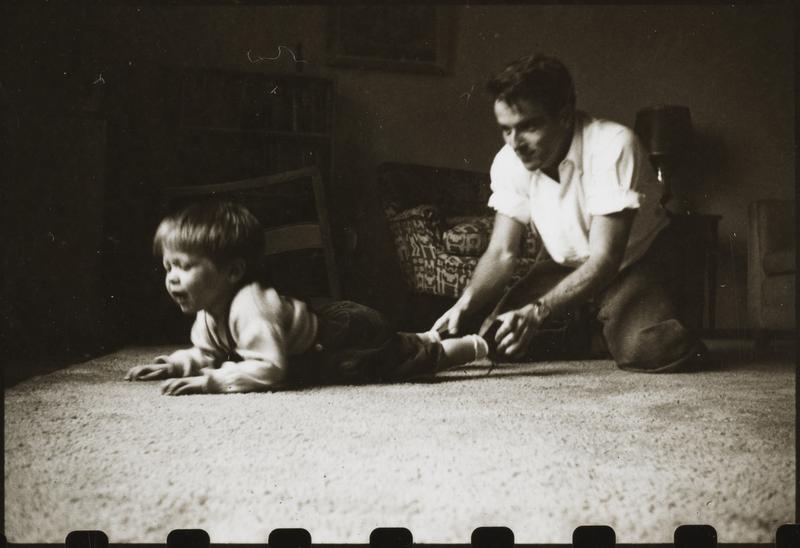
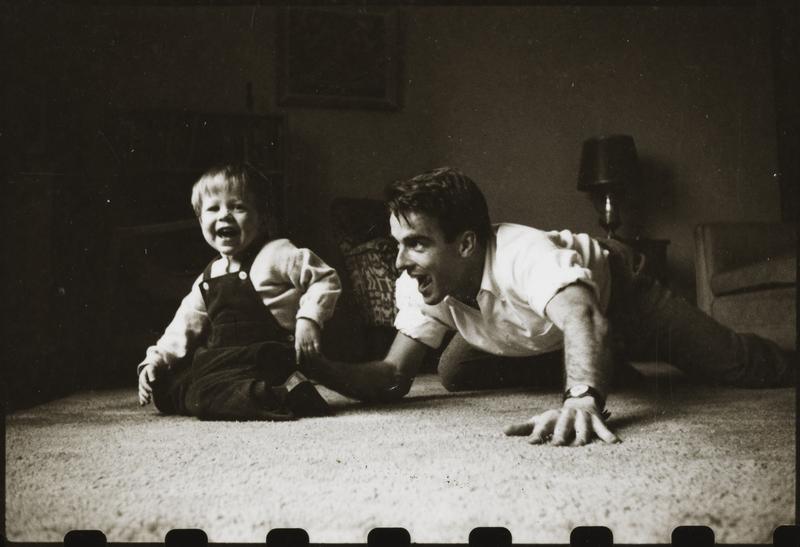
“Monty was wonderful,” Dabney later remembered. “He made everyone feel special, everyone he met.” And some people felt free to walk, or ride, all over him…
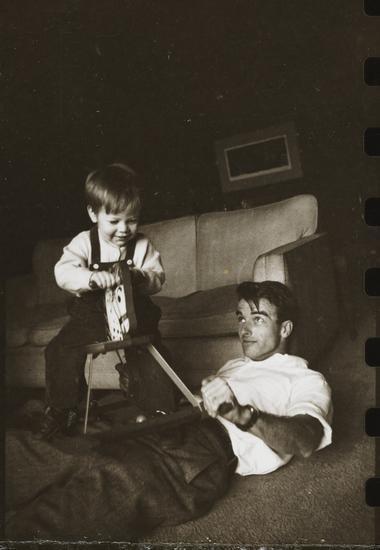
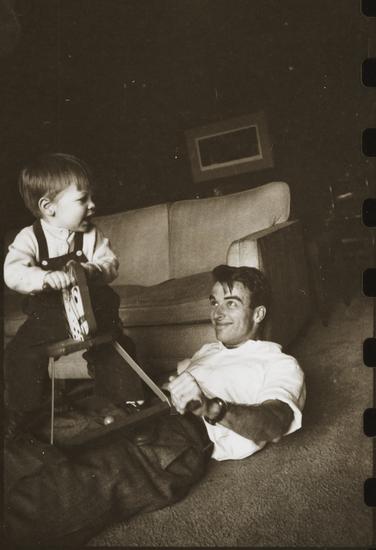
…which is thirsty work.
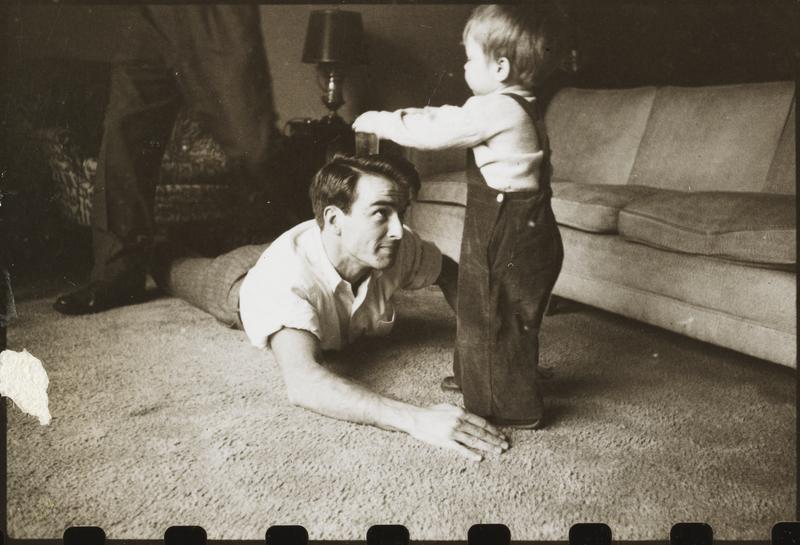
McCarthy and Clift remained sporadically close for much of Clift’s brief life. In 1956, it was McCarthy who was driving the car in front of his friend, trying to guide him through the treacherous Hollywood Hills on that near-moonless spring night when Clift lost control and smashed his car into a telephone pole, shattering his face, his frame and his fragile psyche. He battled severe depression and addiction to painkillers for the scant 10 years that remained to him. “He was a terrific actor, a most charming and intelligent person, brilliant in every way,” McCarthy later recalled. “It was so awful the way his life deteriorated.” Mercifully, some photographs are sturdier than those they capture.
TINTYPE TUESDAY is a weekly feature on Sister Celluloid, with fabulous classic movie pix (and usually a bit of backstory!) to help you make it to Hump Day! For previous editions, just click here—and why not bookmark the page, to make sure you never miss a week?
STREAMING SATURDAY! It’s Friday the Dog to the Rescue in EYES IN THE NIGHT
Welcome to another edition of Streaming Saturdays, where we embed a free, fabulous movie for you to watch right here every weekend!
This week: Eyes in the Night!
In 1942, a few years before he began turning out such classics as High Noon, From Here to Eternity and Oklahoma!, Fred Zinnemann directed a neat little thriller about a blind detective who starts out helping an old flame and ends up knee-deep in Nazis.
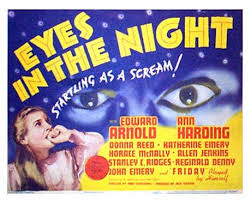
When Norma Lawry (Ann Harding) first turns to Duncan “Mac” Maclain (Edward Arnold) for help, her problem seems straightforward enough: a former beau (John Emery) and first-class heel is now wooing her stepdaughter, Barbara (Donna Reed). Norma wants Mac to uncover enough dirt on him to disillusion the headstrong girl—but when he turns up murdered and Norma is the prime suspect, the case gets more complicated.
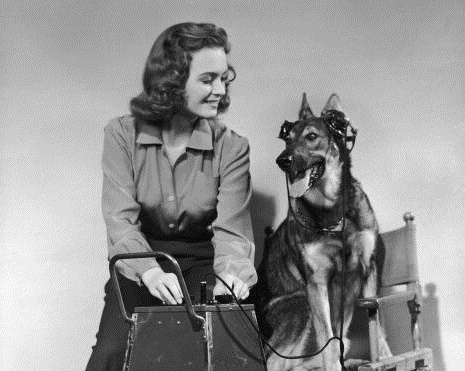
With his trusty guide dog Friday at his side, Mac poses as a guest in Norma’s house to gather evidence—and, as often happens in ’40s films, he suddenly uncovers a nest of Nazis! This time, they’re determined to steal the Maguffin—oops, I mean military secrets!—from Norma’s husband Stephen (Reginald Denny), a scientist working with the government. Some of the baddies are also members of Barbara’s theater company, which seems to have sprung straight from the worst imaginings of every fearful parent who ever sent a child off to a liberal arts college: Everyone in the joint is creepy, especially the manager (Katherine Emery), who’s got some kind of Mrs. Danvers thing going on.
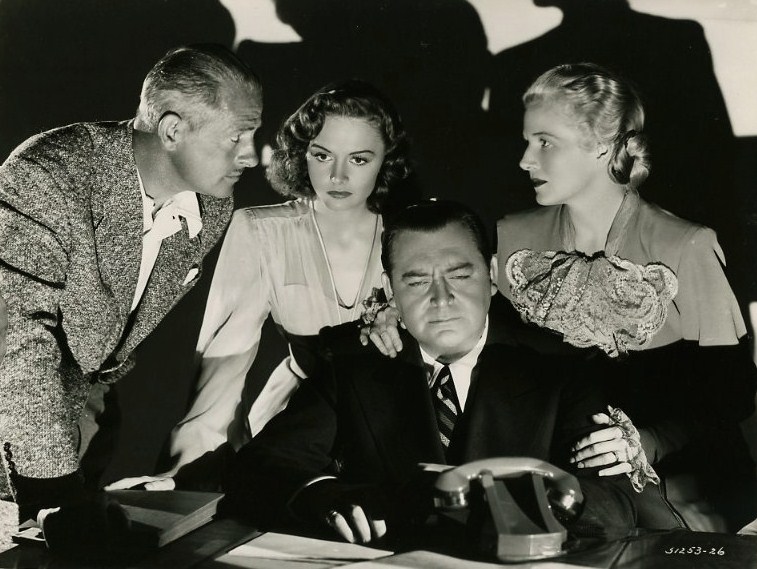
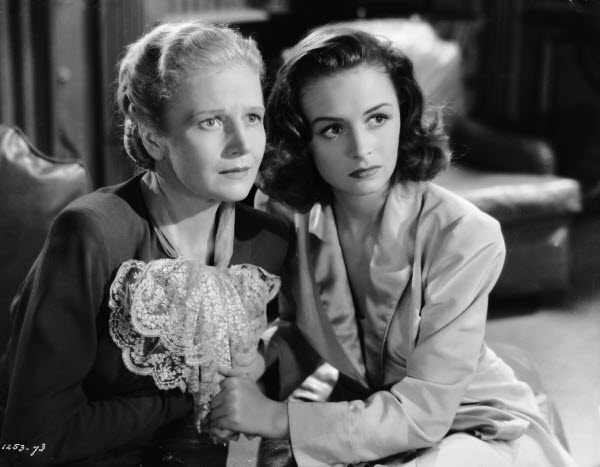
Meanwhile Mac’s assistant, Marty (Allen Jenkins), spends most of the movie getting beaten up, trussed up or otherwise hung up by one evildoer after another. So it’s a good thing that Friday is your basic canine god. There’s a scene where he… no, I won’t give it away. Suffice to say it involves reasoning out a plan, and then climbing, jumping, opening windows, and doing pretty much everything short of growing opposable thumbs and shooting it out with the Nazis. Friday came by his talent naturally: his father was MGM’s Flash the Wonder Dog, who worked in pictures from his puppyhood in 1925 until his retirement in 1938.
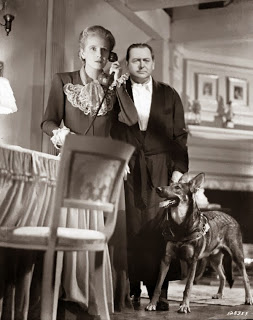
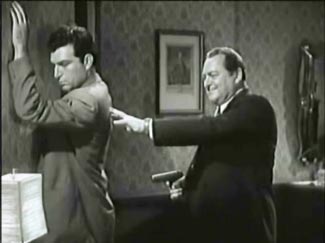
Mac is pretty fabulous too, not only outwitting the villains but even cornering one of them with a pistol—and Arnold is thoroughly convincing as a blind man. He personally lobbied MGM chief Dore Schary for the role (and reprised it three years later in The Hidden Eye) as a tribute to his father, who was sightless for the last quarter century of his life.
Harding is fine as usual, though it’s depressing to see her already relegated to mother roles while her earlier leading men, such as Laurence Olivier, Robert Montgomery, Ronald Colman, William Powell, Robert Young and Frederic March, were still just that—and continued to squire around much younger co-stars well into the 1950s. Reed, on the other hand, gets to sink her teeth into a role she rarely got to play: a double-barreled bitch.
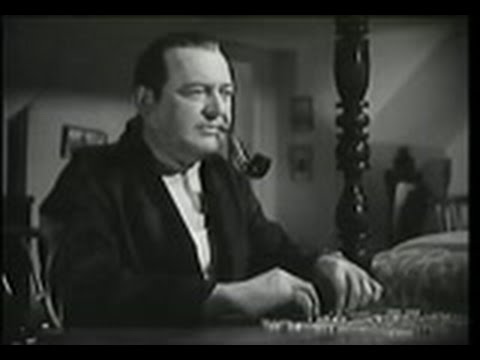
Eyes in the Night was adapted from one of Bayard Kendrick’s Duncan Maclain novels, which were inspired by a chance meeting he had with a blind British ex-soldier he met while serving in the Canadian Army in World War I. Just by feeling his buttons, uniform and insignia, the man could glean Kendrick’s entire war record, as well as other details that might escape the notice of a sighted person. Writer/producer Stirling Silliphant later said Maclain was his inspiration for the James Franciscus TV series, Longstreet.
Settle in, kids, here we go!
STREAMING SATURDAYS is a regular feature on Sister Celluloid, bringing you a free fun film every week! You can catch up on movies you may have missed by clicking here! And why not bookmark the page to make sure you never miss another?
Please Join Us for the “TRY IT, YOU’LL LIKE IT!” Blogathon!
When you’re plunking down on the sofa to watch a classic film, do your friends and loved ones react like…
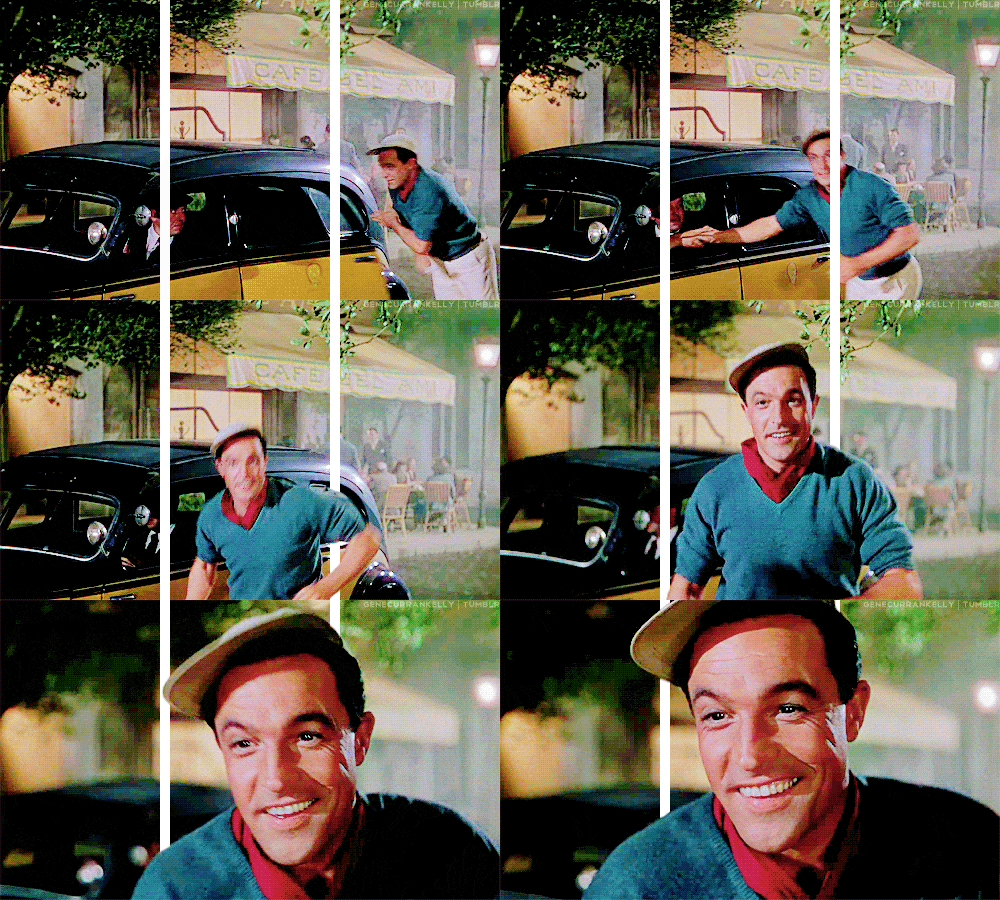
Or… not so much? Well, never fear, the “Try It, You’ll Like It!” Blogathon is here!
Hosted by Sister Celluloid and the fabulous Fritzi at Movies Silently, the blogathon is a public service of sorts… We’re asking you to pick a “gateway film”—a classic movie you think (or know from experience!) has crossover appeal to those suffering from a tragic scourge: Dread Of Old Movies (DOOM) syndrome. Don’t turn away from these DOOMed souls—reach out and help them! Rescue them from a life filled only with <sniffle> modern movies!
Your choice of movie is wide open. Maybe you’re thinking of a nifty little noir or gangster film that might rope in the modern-crime lover. Or an intriguing mystery that’ll keep them guessing until the closing credits. A comedy that’s as fresh today as the day it came out. A timeless drama that could win over the worst cynic. A swoon-worthy or blistering-hot romance. A frank Pre-Code. A rousing Western. Or even a—gasp!—musical with energy, style and rhythm to burn. Whatever it is, if you think it fits the bill, it’s yours for the taking.
In line with the definition of “classic” in the new TCM Presents Leonard Maltin’s Classic Film Guide, all we ask is that you pick a film made in or before 1965.

By the time the blogathon goes live in December, we’ll have created something of a ready-made “cheat sheet” for our fellow classic movie lovers potentially facing a house full of DOOMed friends and relatives for the holidays.
So please join us! Your classic-film family—and your actual one!—will thank you!
On December 5, when the blogathon begins, Fritzi and I will add new posts for it on our sites, which will be updated as entries pour in. Here’s mine: The “Try It, You’ll Like It!” Blogathon Is Here!
I’ll be handling the first half of the list, through The Hidden Fortress , and Fritzi will take the second half. So check which half your film is in to see which of us you should send your post to, and we’ll put your link into our post.
When you write your piece, please include one of the banners at the top or the bottom, with a link to the December 5 post on either Fritzi’s or my page, depending on which of us has your post.
And please add this description or something similar to your post: This post is part of the “Try It, You’ll Like It!” Blogathon, hosted by Sister Celluloid and Movies Silently, where we write about “gateway films” that might bring non-classic-film lovers into the fold! For all the entries, click here!
The Roster:
Movies Silently Judex
Sister Celluloid The More the Merrier
A Shroud of Thoughts Bringing Up Baby
Silver Screenings The Big Country
Caftan Woman 12 Angry Men
BNoirDetour Gilda
Now Voyaging The Palm Beach Story
Cinema Gadfly Pandora’s Box
Book ’em Danno! The Crowd
Moon in Gemini The Razor’s Edge
Drew’s Movie Reviews Some Like It Hot
An Ode to Dust Why Be Good?
Cinematic Scribblings Elevator to the Gallows
Special Purpose Movie Blog Casablanca
Queerly Different All About Eve
Big V Riot Squad The Great K&A Train Robbery
Aperture Reviews The Americanization of Emily
Criterion Blues Wild Strawberries
Le Mot du Cinephiliaque Wings of Eagles
365 Days 365 Classics The Virgin Spring
Critica Retro Roman Holiday
Defiant Success Singin’ in the Rain
The Movie Rat Psycho
Bookshelves and Daydreams East of Eden
Old Shelter Underworld
Jesgear’s Blog The Hidden Fortress
Girls Do Film It Happened One Night
Cinema Cities Rear Window
Gravatar Stalag 17
I Love Terrible Movies Attack of the 50-Foot Woman
Old Hollywood Films His Girl Friday
In the Good Old Days of Classic Hollywood The Strange Love of Martha Ivers
Silent-ology The Scarecrow
Speakeasy Gun Crazy
Phyllis Loves Classic Movies My Favorite Brunette
Shadows and Satin Too Late for Tears
Mildred’s Fatburgers M
The Love Pirate High Noon
wolffianclassicmoviedigest The Wizard of Oz
Cary Grant Won’t Eat You Ace in the Hole
LA Explorer The Lady Eve
Welcome to My Magick Theatre Safety Last
Totally Filmi Jungli
The Flapper Dame The Thin Man
The Wonderful World of Cinema Modern Times
Play Off the Page Here Comes the Groom
1001 Films 1001 Days Silver Lode
Christina Wehner The Horror of Dracula
The Basement Tan The Best Years of Our Lives
Aperture Reviews The Americanization of Emily
TINTYPE TUESDAY: Dachtoberfest! Classic Hollywood Was Wild for Wienerdogs
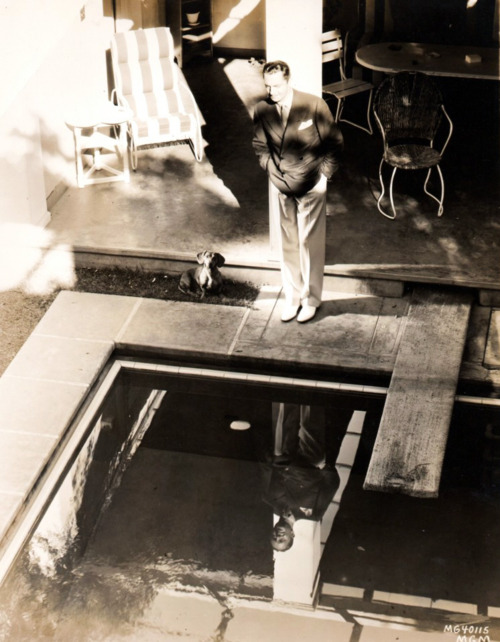
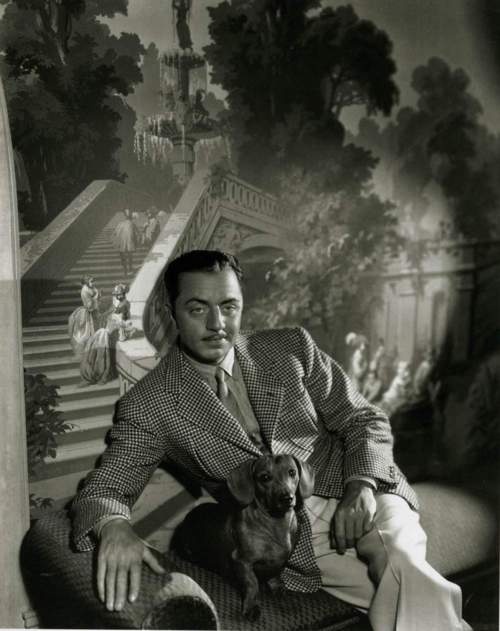
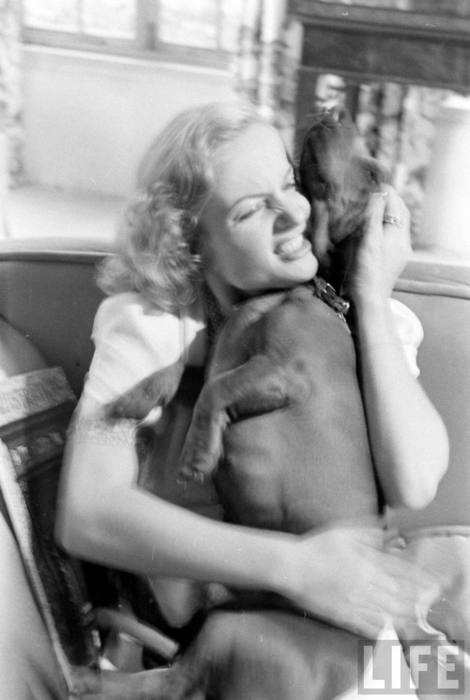
Welcome to another edition of TINTYPE TUESDAY! This week: A photo gallery of Classic Hollywood’s favorite dog!
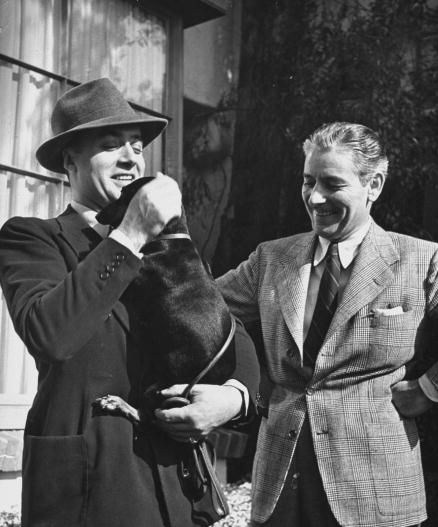
Special mention to the stars who had several fur-furters, including Carole Lombard, William Powell, Charles Boyer and Joan Crawford. (And a pang of envy for the one being held in Charles’s arms while being admired by Ronald Colman.)

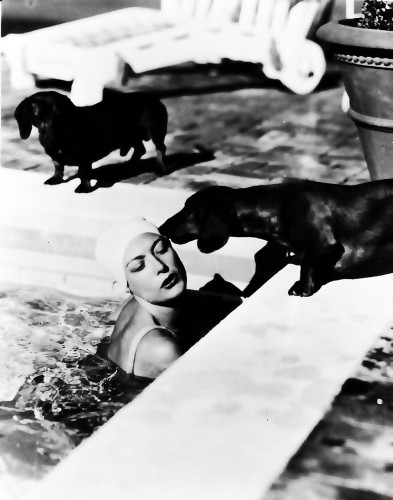
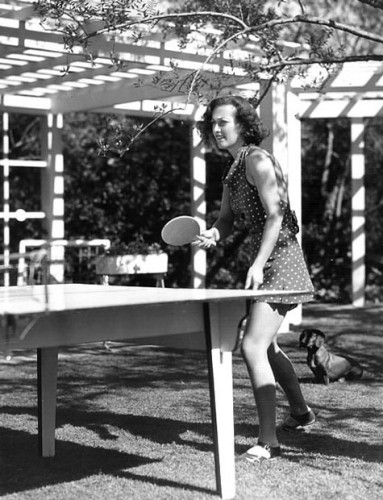

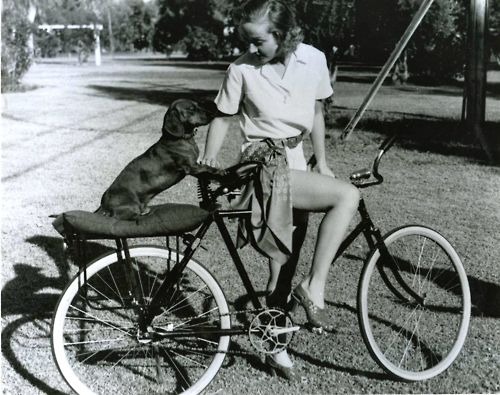
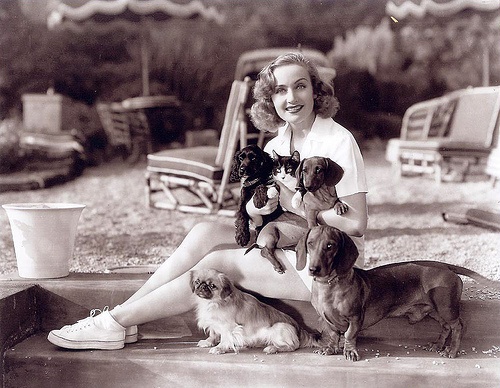
A dachshund—Margaret Hamilton’s dog Otto—was even tapped to be the original Toto! But in light of the political climate at the time, producers opted not to go with a breed associated with Germany. Here’s Maggie with her pup—but those pix you may have seen of Judy Garland singing Over the Rainbow with a dachshund perched on the haystack beside her? Yeah, those are Photoshopped. Poor Otto never even got to the set.
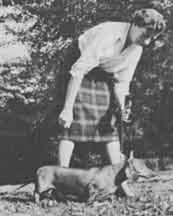
Some Hollywood doxies tagged along to the studio…
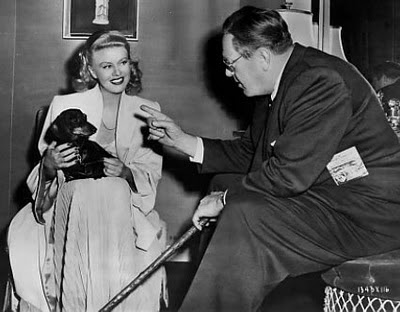
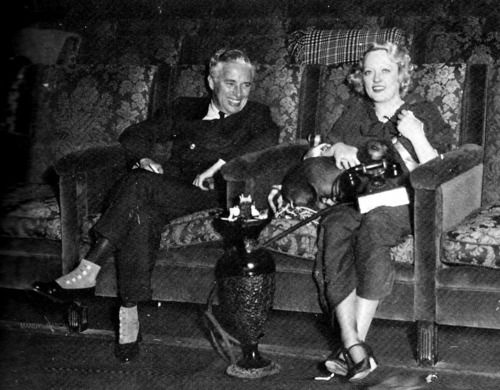

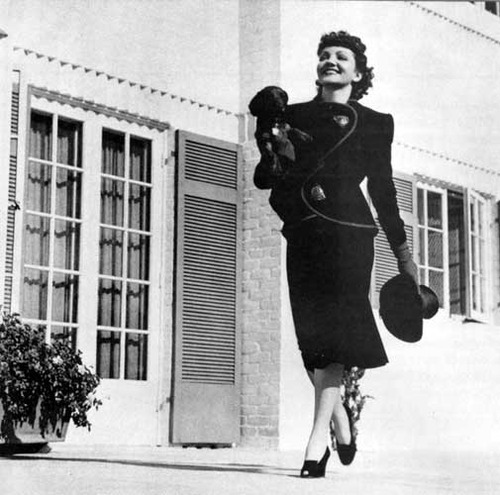
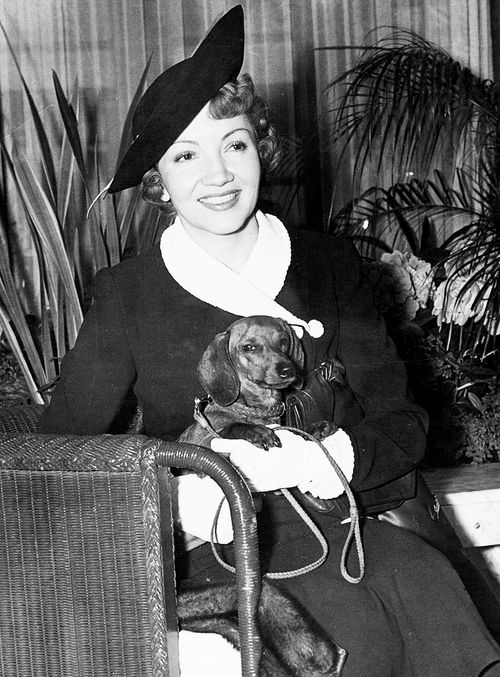
…and Walter Huston’s pup Fraulein even helped him run lines.
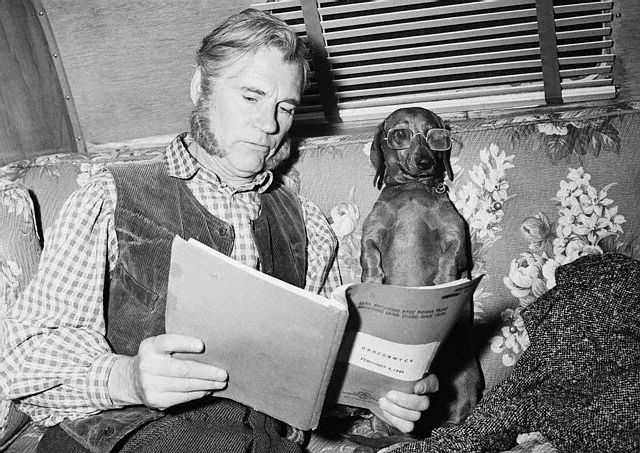
Others hit the high seas…

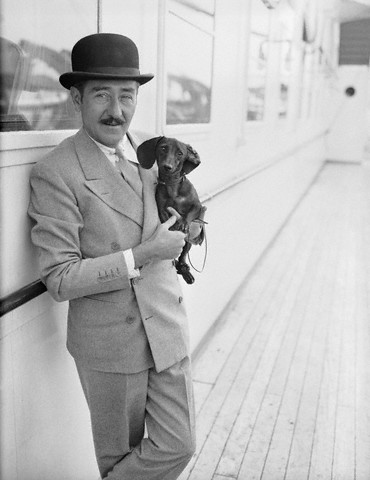
…but some were content to stay at home with their fabulous families.
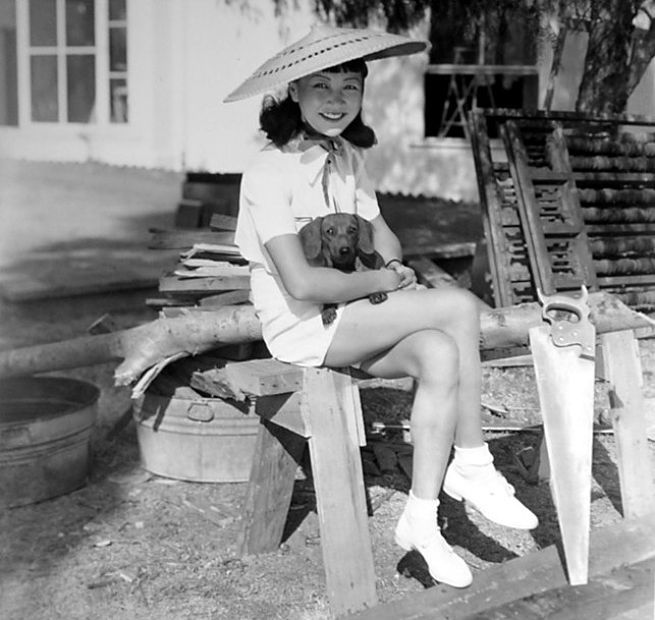

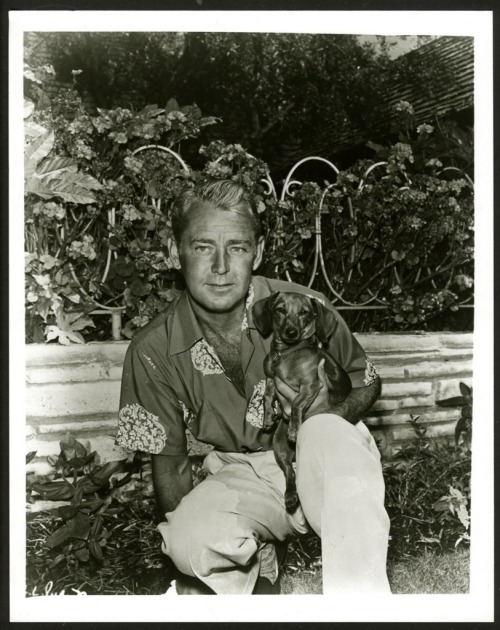


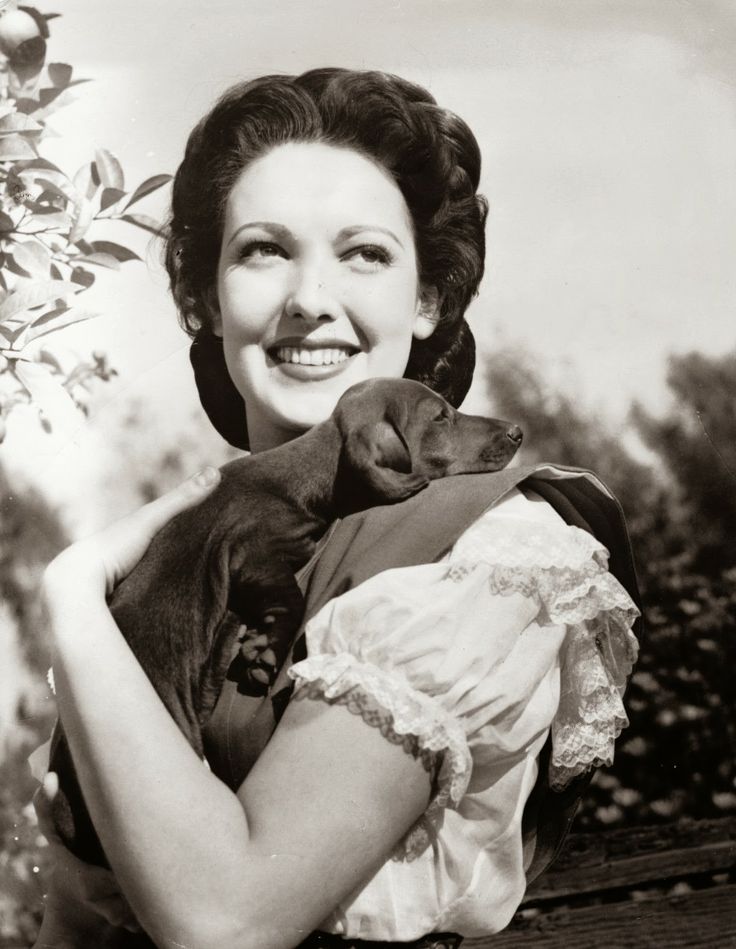
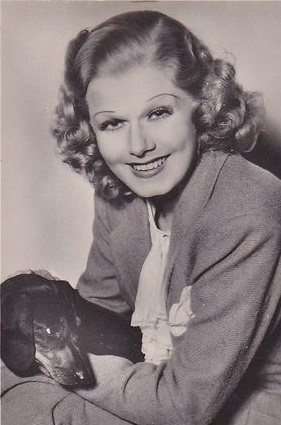
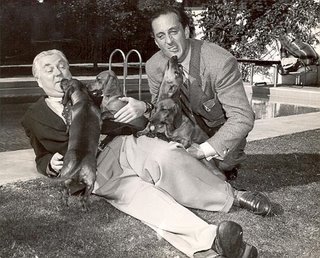
And finally, some doxies aren’t famous at all. But ought to be…

TINTYPE TUESDAY is a weekly feature on Sister Celluloid, with fabulous classic movie pix (and usually backstory!) to help you make it to Hump Day! For previous editions, just click here—and why not bookmark the page, to make sure you never miss a week?
Do Your Loved Ones Suffer from Dread Of Old Movies (DOOM) Syndrome?
We’ve all been there: That moment when you’ve cozily settled into the sofa as a classic film is coming on… and you can already feel the impatient fidgeting, hear the discontented sighs, catch a quick glimpse of the eye-rolling going on around you.
Perhaps some clueless family member asks, “Haven’t you seen this already?”
Or maybe, like something straight out of Pavlov, your spouse runs screaming from the room whenever the TCM intro music comes on.


These are all tell-tale signs of a tragic condition I call…
…Dread Of Old Movies (DOOM) Syndrome.
But now that we’ve named it, how do we cure it? Hey, maybe we can hold a telethon, like they do on public television!

Okay you’re right, maybe not.
Actually, there’s really only one way to defeat DOOM: with the classic movies themselves. There are lots of what I call “gateway films” that can help bring your loved ones around—movies that all but cry out, “Don’t go into the light! Stay here in the black and white!” Most of the movies on Streaming Saturdays—where I embed a free, fun film every weekend—are gateway films, so classic fans can watch along with family and friends and give them a glimpse of what they’ve been missing.
But this is the official start of my campaign to save those we love from DOOM. (And frankly, make it easier for us to watch our old movies in peace.) First step: The “Try It, You’ll Like It!” Blogathon, an event especially designed to turn this reaction…
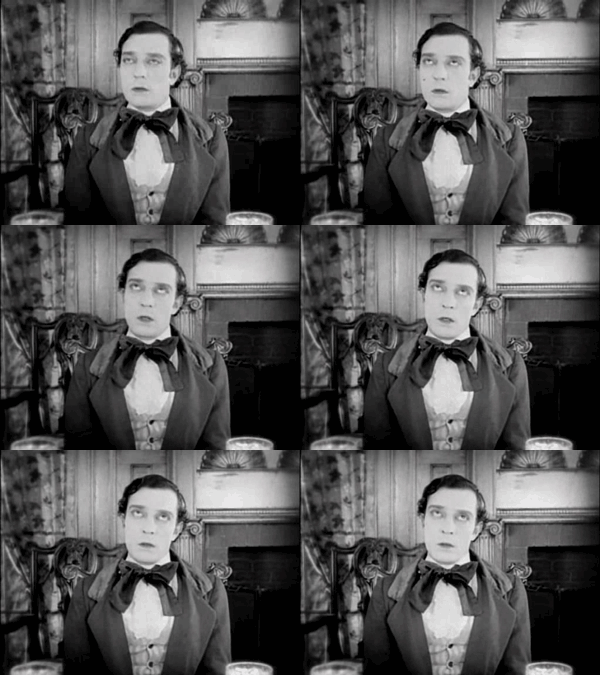
…into this:

It will also give classic film lovers a ready-made “cheat sheet” of movies to lure their loved ones into the fold.
Watch this space—I’ve got other “gateway film” efforts in the hopper! Help is on the way…
Remembering James Dean 60 Years On—And Busting Some Myths Along the Way
Sixty years ago today, a wildly gifted young actor was killed. And a one-dimensional legend was born.

The brooding rebel in the leather jacket. Which summed up about one half of one percent of who James Dean was either as an actor or a person. Those who knew him, loved him and worked with him remember him as thoughtful, goofy, searching, sensitive, wry, funny, kind, open—and just getting started. Here he is mixing it up with Mary Astor on the set of a 1955 television drama, The Thief…


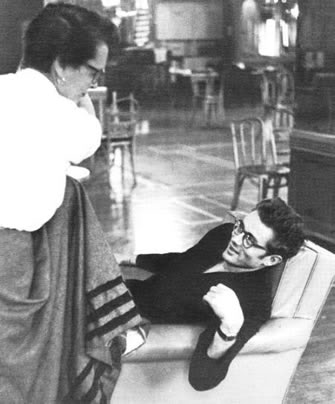
…and behind the scenes with Elizabeth Taylor on Giant…


…and on East of Eden, the only one of his three films he lived to see. Julie Harris compared him to “a kind of star or comet that fell through the sky and everybody still talks about it—they say, ‘Ah, remember that night when you saw that shooting star?’ That was it—he had that enormous appeal… and magic.”


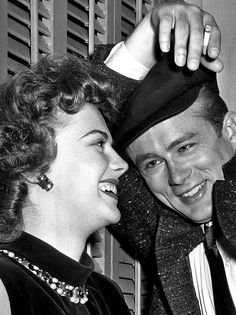
Here he is goofing around with Natalie Wood on Rebel Without a Cause, the film most responsible for the short-sighted James Dean legend:

Shortly after Dean was killed, as the myth began to take shape, Humphrey Bogart said archly, “He would never have been able to live up to the publicity.” Oh, but to watch him try… wouldn’t that have been something.
Of the actors to whom he was most often compared, Dean was less fragile than Montgomery Clift and less cynical than Brando. The fire was there, the heart wide open, and he was still just finding his way.
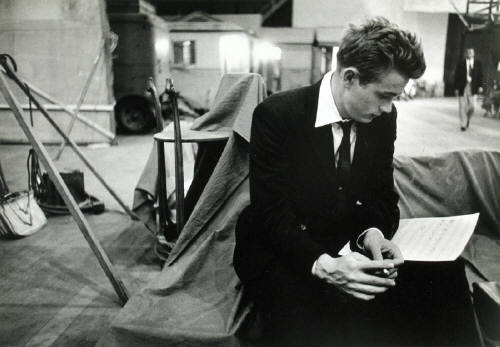


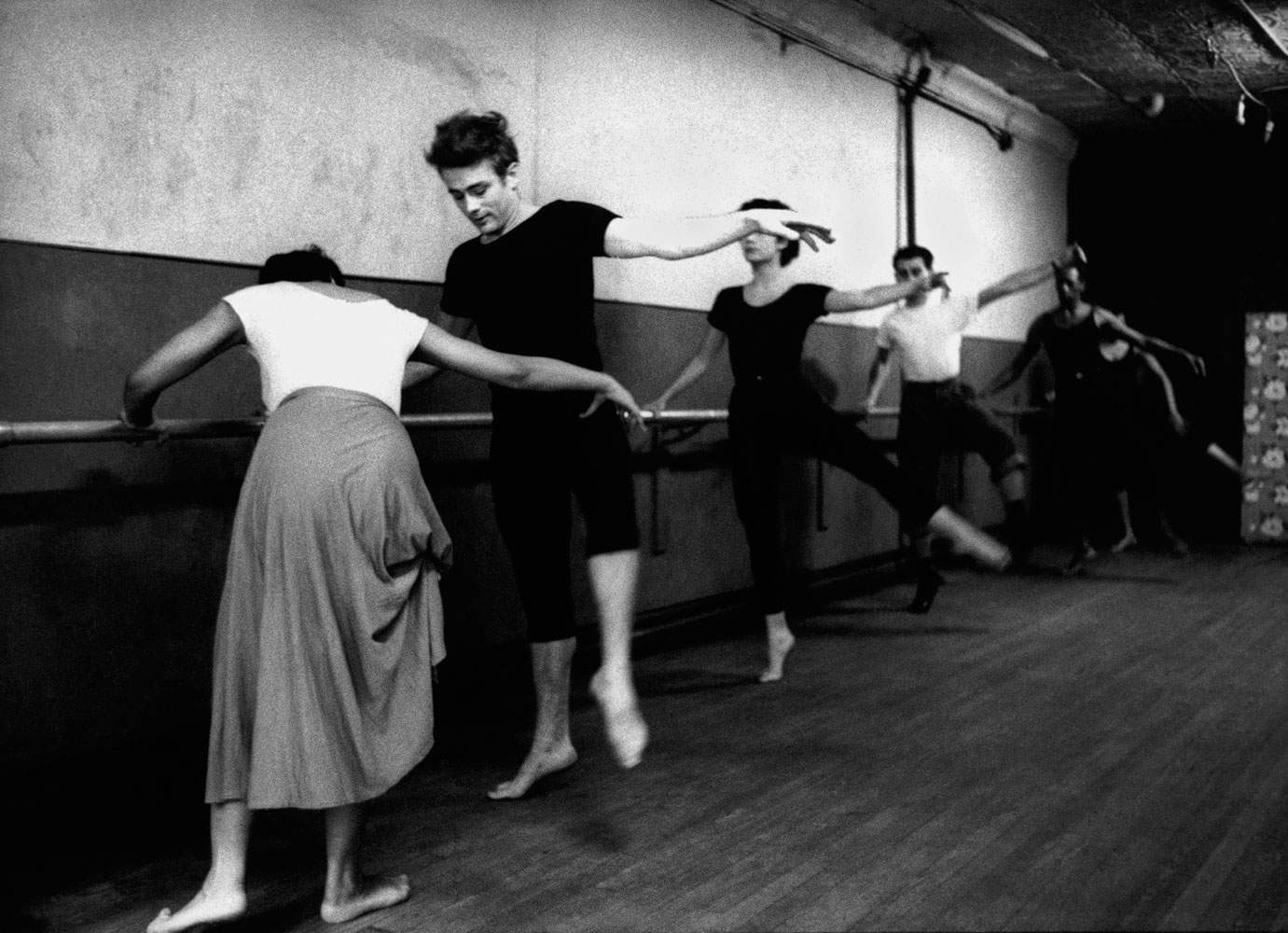
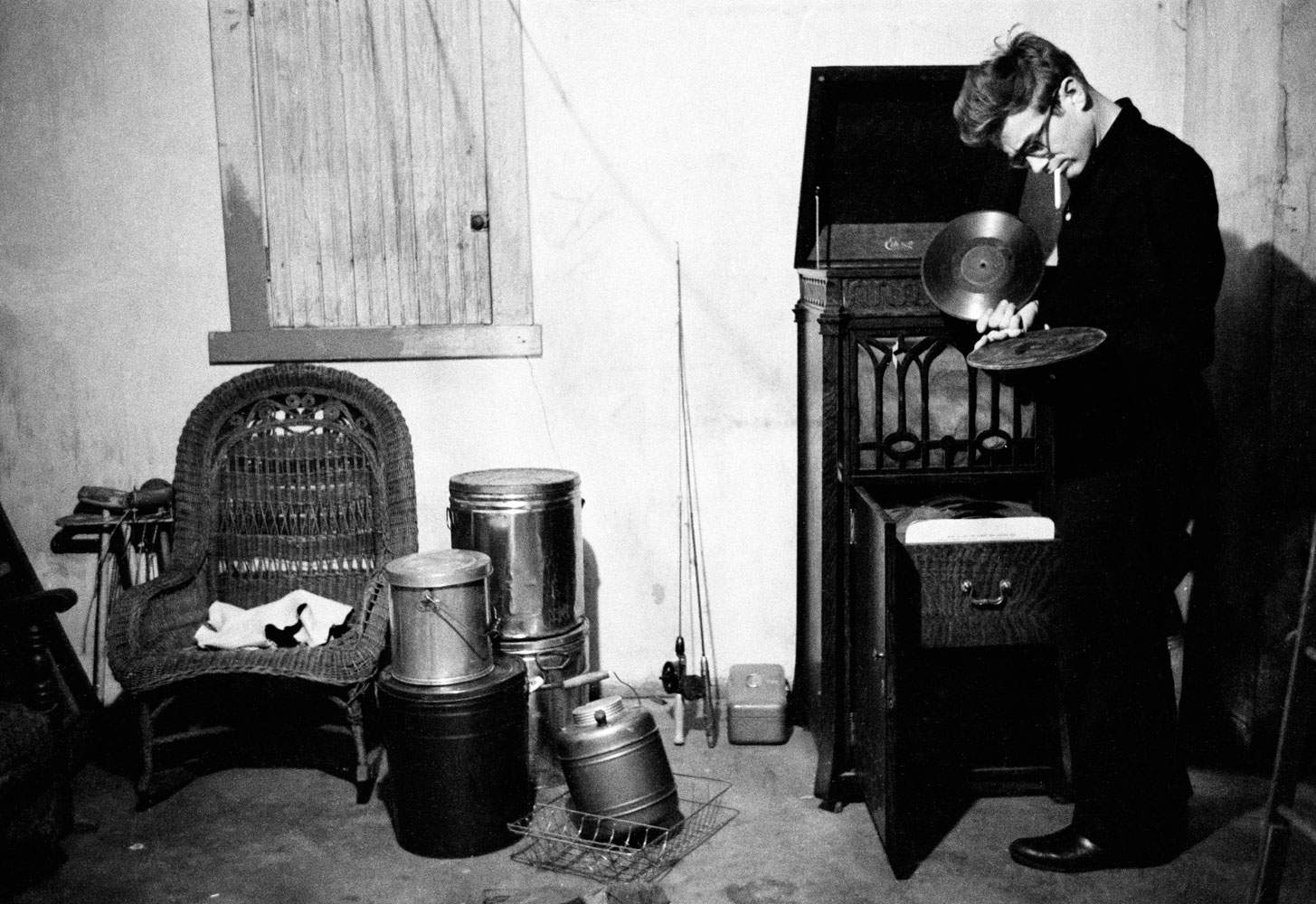
And despite the damn-it-all image he’s been shrouded in, Dean cherished his family and the Indiana farm he grew up on, raised by his aunt and uncle after losing his mother—who adored and understood him—when he was just nine. He returned there often:


Oh and while we’re busting myths, here goes a big one: Dean almost certainly wasn’t speeding that late afternoon in September 1955. The violent crash that broke his neck, crushed his limbs and claimed his life was entirely the other driver’s fault. Contrary to hasty initial reports, it’s since been proven through numerous accident reconstructions—and with the help of Ron Nelson, a highway patrol officer who was at the scene—that despite the actor’s penchant for speed, he was going about 55 MPH when a young man with the improbable name of Donald Turnupseed cut across his lane carelessly to make a last-minute turn onto an exit ramp, causing the crash.
What little we have in Dean’s own words also dispels the “bad boy” myth. In 1948, his high school principal, Roland Dubois, asked each senior to write a personal “case study.”

In remembering James Dean and reflecting on all that might have been, let’s close with his own dreams for a life that was to end just seven years later:
I, James Byron Dean, was born February 8, 1931, Marion, Indiana. My parents, Winton Dean and Mildred Dean, formerly Mildred Wilson, and myself existed in the state of Indiana until I was six years of age. Dad’s work with the government caused a change, so Dad as a dental mechanic was transferred to California. There we lived, until the fourth year. Mom became ill and passed out of my life at the age of nine. I never knew the reason for Mom’s death, in fact it still preys on my mind. I had always lived such a talented life. I studied violin, played in concerts, tap-danced on theatre stages but most of all I like art, to mold and create things with my hands. I came back to Indiana to live with my uncle. I lost the dancing and violin, but not the art. I think my life will be devoted to art and dramatics. And there are so many different fields of art it would be hard to foul up, and if I did, there are so many different things to do—farm, sports, science, geology, coaching, teaching music. I got it and I know if I better myself that there will be no match. A fellow must have confidence. When living in California my young eyes experienced many things. It was also my luck to make three visiting trips to Indiana, going and coming a different route each time. I have been in almost every state west of Indiana. I remember all. My hobby, or what I do in my spare time, is motorcycle. I know a lot about them mechanically and I love to ride. I have been in a few races and have done well. I own a small cycle myself. When I’m not doing that, I’m usually engaged in athletics, the heartbeat of every American boy. As one strives to make a goal in a game, there should be a goal in this crazy world for all of us. I hope I know where mine is, anyway, I’m after it. I don’t mind telling you, Mr. Dubois, this is the hardest subject to write about, considering the information one knows of himself, I ever attempted.


TINTYPE TUESDAY: When Olivia Met (and Almost Married) Jimmy
You know who almost got married? Olivia de Havilland and Jimmy Stewart.
Can you imagine?
But when they got to the marriage license bureau, they were intercepted by the Minister of Fabulousness, who told them it would be just too much for them to join together in wedlock.
Okay that’s not actually what happened. Here’s what did.

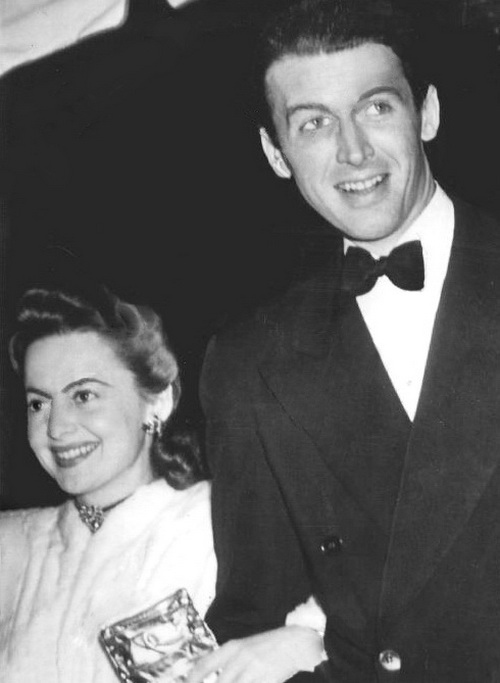
In December 1939, Olivia and Jimmy were both bound for New York—she to attend the city’s premiere of Gone With The Wind at the Astor Theatre, and he to visit his sister for Christmas. Irene Mayer Selznick—daughter of Louis B., wife of David O., and no slouch herself in the mover-and-shaker department—suggested to Jimmy’s agent, the legendary Leland Hayward, that his client escort Olivia to her big event. And Jimmy, who was intrigued when he’d met the actress briefly in Hollywood, seized on the chance to get to know her better.
“Jimmy met me at LaGuardia airport,” Olivia recalled to James Fishgall, author of Pieces of Time: The Life of James Stewart. “He even had the limousine drive out to the airfield. We were both quite shy and ventured one word at a time in our conversation.” Those must’ve been some words: the two were quickly inseparable, dining together almost every night and ducking into the latest Broadway shows, including Paul Osborn’s Mornings at Seven, directed by Jimmy’s Princeton pal Josh Logan.


The new couple were closer than ever when they headed back to Los Angeles—where actual hijinks ensued, followed closely by shenanigans. One night, Jimmy pulled up to Olivia’s Spanish colonial home in his new LaSalle convertible. As he showed off the car in the driveway, it suddenly began to creak and groan to life. They soon discovered that the Hollywood Hills are just about the worst place to be when your brakes come unglued. As the glamorous pair—decked out in their evening best—frantically scrambled after the runaway coupe, it gained speed, bumping into parked cars and bashing finely manicured shrubs to bits, finally slamming into a telephone pole at the bottom of the steep incline. Jimmy was mortified, but Olivia thanked him for the laugh as they trudged back up the hill and bundled into her car to resume their date.
Another evening, Olivia and dinner guest Maureen O’Hara pretended to become violently ill after eating a fish Jimmy had caught. “But he didn’t pay the slightest bit of attention,” O’Hara remembered. “He knew!”

Already a licensed pilot, Jimmy loved to take Olivia out over the Pacific, and even gave her a few flying lessons. They also tooled around with his model airplanes, picnicked in the woods (with a Victrola in tow!), and sometimes just bundled on the sofa, each with a book, eventually dozing off. So close were they that by the spring of 1940, rumors of an impending elopement were popping up in fan magazines.
But Jimmy and Olivia, whose worldview stretched far beyond the petty contrivances of Hollywood, had more urgent issues on their minds. The Nazi threat was growing monstrously, and England—where Olivia’s parents were born and her father still lived—was largely standing alone against the Third Reich as other European countries began topple. In August 1940, when shooting wrapped on The Philadelphia Story, Stewart helped organize a benefit for the beleaguered British forces. Held at the Sam Houston Coliseum in Texas, the show featured Olivia, Tyrone Power, Mischa Auer and Jimmy’s close friend and one-time roommate Henry Fonda, who played the cornet to Jimmy’s accordion and teamed up with him on a magic act.


In March 1941, Jimmy enlisted in the Army, a full nine months before the bombing of Pearl Harbor. He and Olivia tried to remain close, but it was not to be. The following year, Olivia began seeing John Huston, her director on In This Our Life (Huston and Errol Flynn once reportedly came to blows over her), and her relationship with Jimmy officially ended.


At some point during their year and a half together, Jimmy, who had already squired half of Hollywood, did propose—but the ever-wise Olivia, though eight years younger, was skeptical about his level of maturity. “I think his offer of marriage was just a frivolous thing on his part,” she said years later. “Jimmy wasn’t ready for a wife—I guess he still had a few more wild oats to sow.”
“I think they got closer to the altar than was known at the time,” Jimmy’s friend, former MGM publicist Jerry Asher, recalled in Lawrence Quirk’s James Stewart: Behind the Scenes of a Wonderful Life. “But they ‘scaredy-catted’ out of it. They were a lot alike, Livvy and Jim. Prim, well brought up, decent, considerate, but as romantic and sexy as any guy or gal around.”
Whatever regrets the two may have had about their parting, we’ll never know. But both later said they wished they’d made a film together. Toward the end of their careers, they did appear, though separately, in Airport ’77 and the 1986 miniseries North and South, Book II.
STREAMING SATURDAYS! Joan Crawford Carries on for Carole Lombard in THEY ALL KISSED THE BRIDE
Welcome to another edition of Streaming Saturdays, where we embed a free, fun movie for you to watch right here every weekend!
As 1942 rang in, Carole Lombard had just wrapped To Be or Not to Be and was set to star in a new comedy for Columbia, They All Kissed the Bride. But first, there were war bonds to be sold, so she headed home to the wintery Midwest, selling millions of dollars’ worth in a single trip. What happened next, every classic-movie fan knows: On January 16, as she returned to California from her home state of Indiana, her plane crashed into Mount Potosi in Nevada, killing all on board.
As Lombard’s devastated family, friends and fans mourned her, the steely studio execs, including Harry Cohn at Columbia, scrambled to replace her in projects under development. Cohn reached out to Joan Crawford to play the trucking-company heiress who mixes it up with Melvyn Douglas in They All Kissed the Bride, and she was eager to help.
But despite the tragic circumstances, MGM chief Louis B. Mayer, whose eyes never strayed from the bottom line, was reluctant to loan out Crawford, who’d recently won respectful raves for her role as a disfigured blackmailer in A Woman’s Face. Still, if sentiment couldn’t sway Mayer, maybe good old-fashioned blackmail could: Crawford made it clear that if he didn’t let her pick up the baton for Lombard, one of the most beloved members of the film community, the whole town would hear about it, and fast.
After she won the role, Crawford donated her entire salary—$128,000—to the American Red Cross, which had led the perilous search through the snowy Sierra Nevada mountains for Lombard and the other victims of TWA Flight 3. And when her agent refused to forego his 10 percent, she promptly paid it herself and fired him.

The film itself is a battle-of-the-sexes romp, as is clear from the tagline: “There’s Never Anything Wrong With a Woman That a Man’s Lips Won’t Cure.” (No really. They paid someone to come up with that.) But Crawford and Douglas, who’d teamed up earlier in The Gorgeous Hussy, The Shining Hour and A Woman’s Face, have an easy chemistry. And rounding out the cast are Billie Burke and Roland Young, so there you go. The film also ushered in a string of tough-career-woman roles for Crawford, most notably Mildred Pierce.
A reigning Charleston champion in the 1920s, Crawford probably does her best acting in the scene where she’s dragged onto the dance floor by Allen Jenkins for a jitterbug contest. While she’s forced to look miserable and occasionally terrified in the film, she clearly had a ball during rehearsals:


On that happy note, here’s the movie!
And for previous Streaming Saturday movies, just click here! Why not bookmark the link so you never miss a week?
TINTYPE TUESDAY: Gladys Cooper Was a Pin-Up Girl — And Other Pix That May Surprise You!
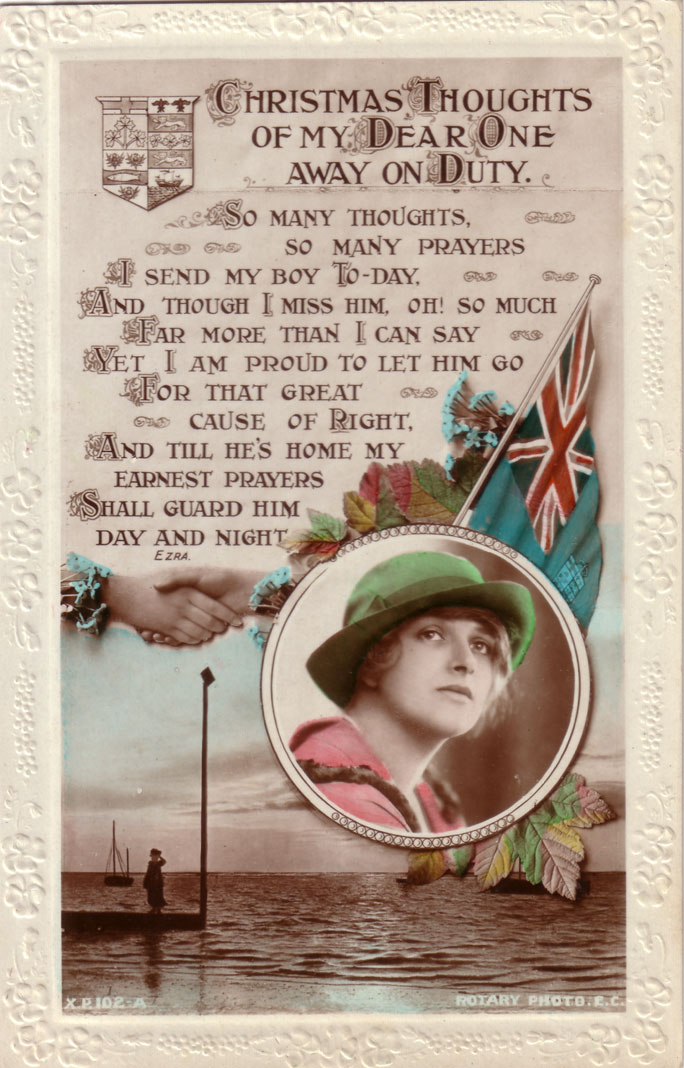
Recently I came across this old British postcard, which I bought years ago, back when there were bookstores. Printed in 1910, it features Jessie Winter (as “Modesty”), Gladys Cooper (as “Beauty in Everywoman”) and Patricia Collinge (as “Youth”). Winter had only a brief film career, but Cooper, of course, went on to become everyone’s favorite battleaxe in films including Now, Voyager, Kitty Foyle and The Bishop’s Wife, and Collinge played the perfect mother (and too-trusting sister) in Shadow of a Doubt. But decades before all that, they were, well, hotties.
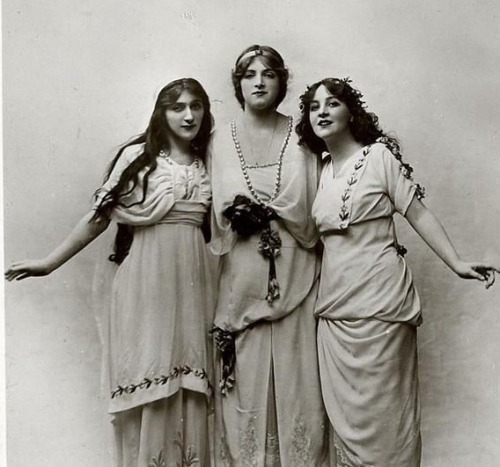
In fact Cooper—who was actually an exceedingly kind person when she wasn’t making everyone’s life a living hell on screen—was pretty much the Betty Grable of The Great War, the favorite pin-up girl of British soldiers across Europe.
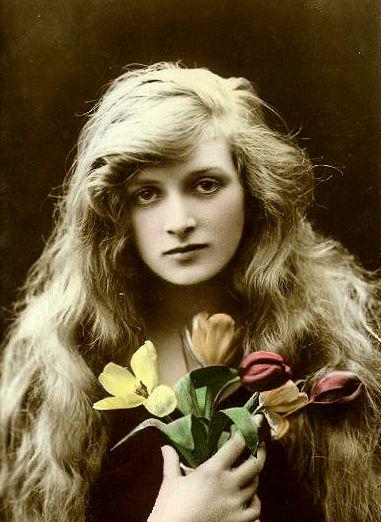
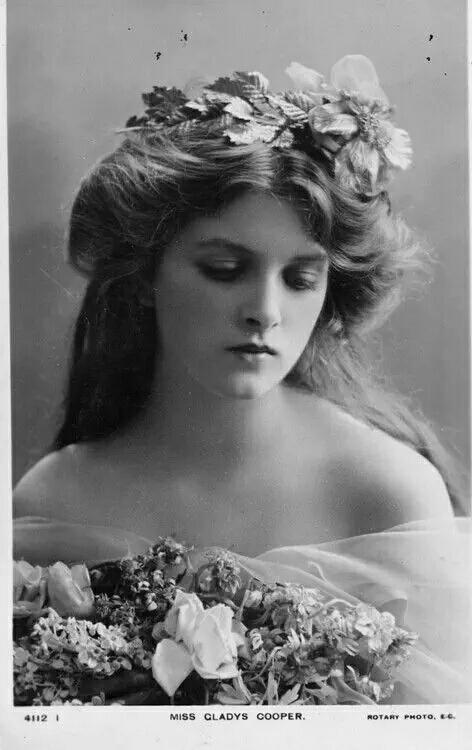
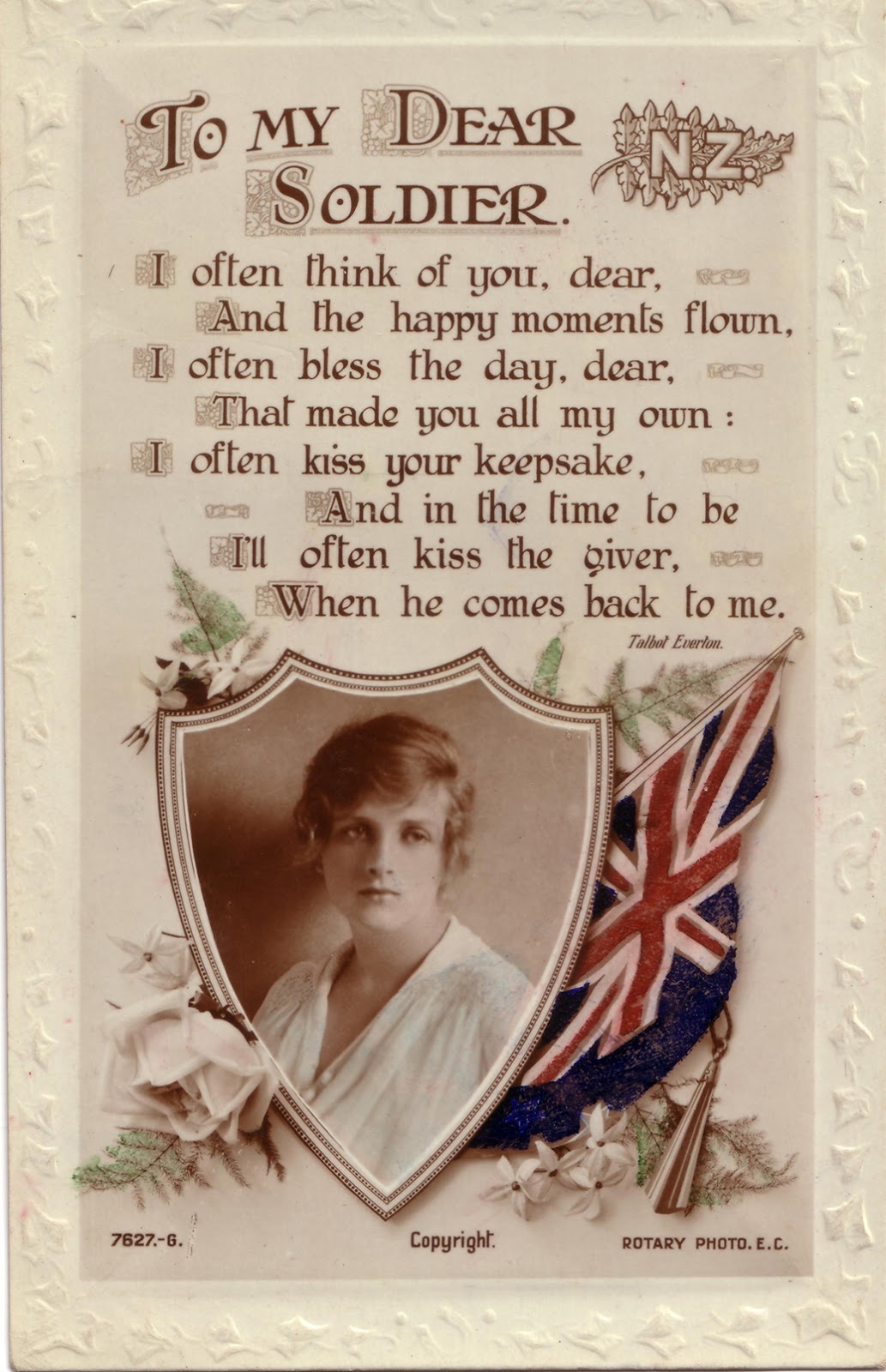
She also adorned greeting cards for just about every occasion.

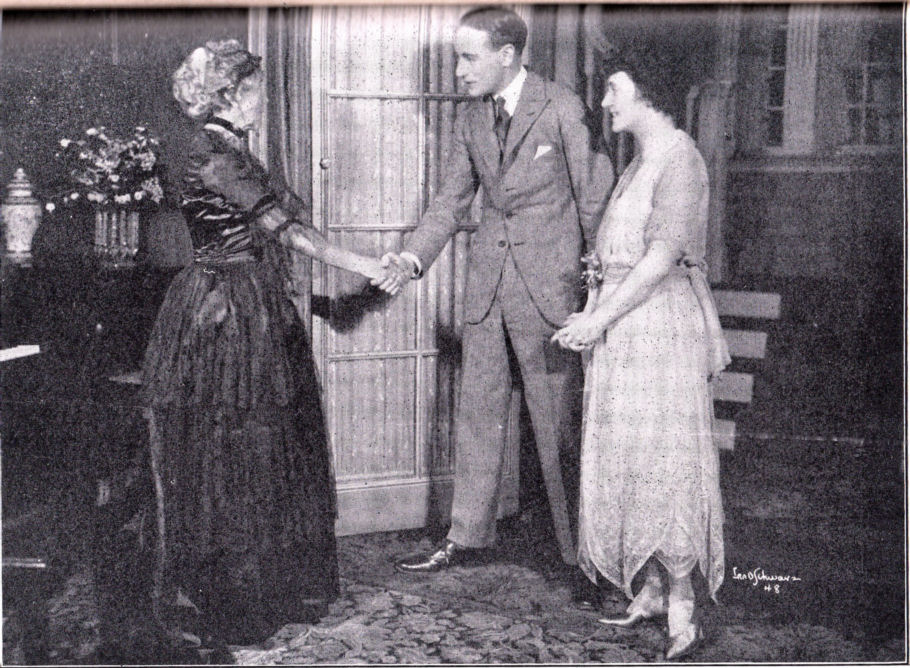
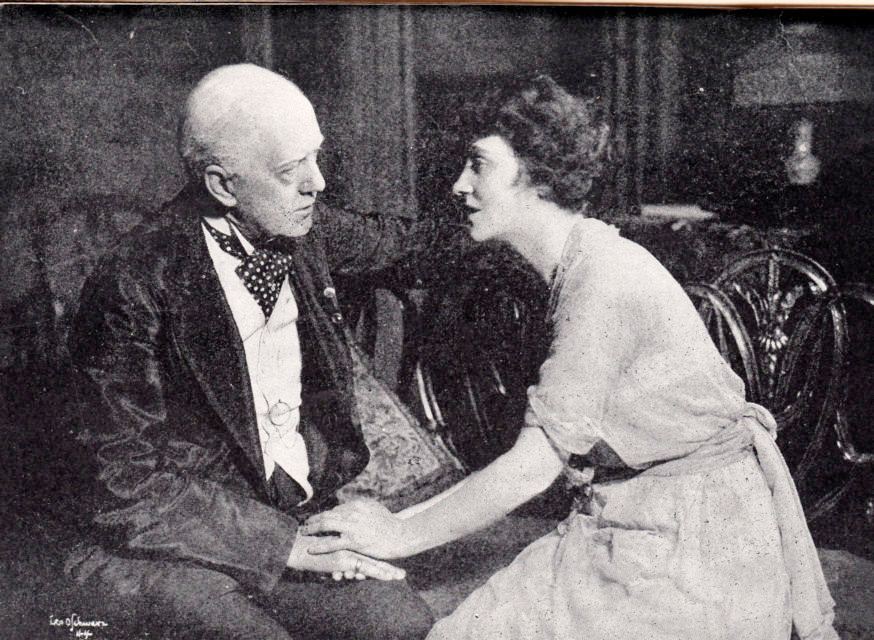
And here’s Collinge in 1920 with a baby-faced Leslie Howard, on Broadway in Just Suppose—which co-starred Frederick Kerr, who’d go on to play the Baron in Frankenstein.
All of this got me thinking: What about some of the other lovely ladies who became known mostly as doting mothers, dowagers, drudges and daffy old dames? Here are a few of them, peering out from their younger years.
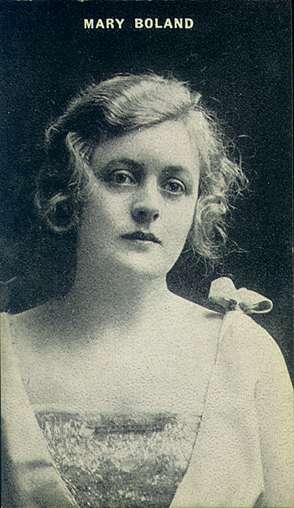
Here’s Mary Boland, before she barreled through the Old West in Ruggles of Red Gap, elbowed her daughters up the social ladder in Pride and Prejudice and trilled her way through a husband or two in The Women (“L’amour, l’amour!”).
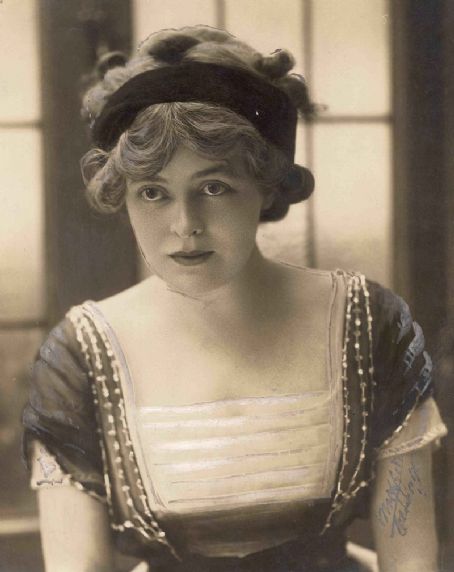
Here’s Cathleen Nesbitt, around the time she was known as doomed poet Rupert Brooke’s lover, rather than as Joseph Cotten’s mother in The Farmer’s Daughter and Cary Grant’s heartbreaking “nanou” in An Affair to Remember. And Lucille Watson, before she was mother to pretty much everyone, including Norma Shearer (The Women), Robert Taylor (Waterloo Bridge), James Stewart (Made for Each Other), and Carole Lombard (Mr. and Mrs. Smith), when she wasn’t someone’s terrifying (Little Women) or benevolent (The Great Lie) aunt.
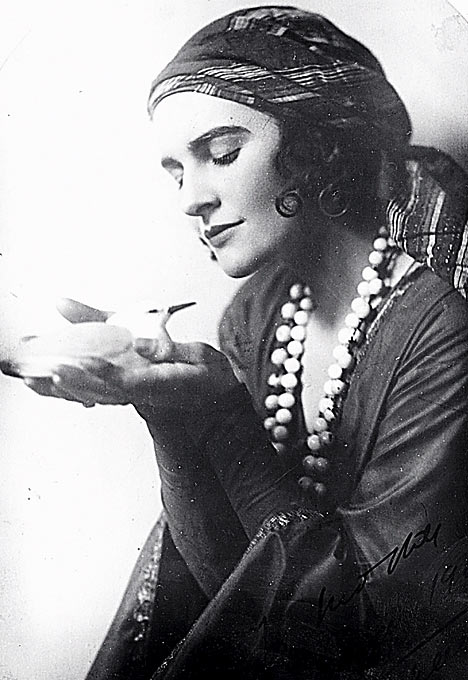
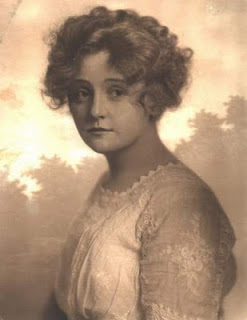
Below are the “fifth Marx Brother,” Margaret Dumont (who always got the joke), and Kathleen Howard, W.C. Fields’ bombastic wife in It’s a Gift and other films. (“Those were my mother’s feathers!”) Both started out as opera singers, with Howard spending several seasons at the Met alongside Caruso. (Read more about their colorful, fascinating lives here and here!)
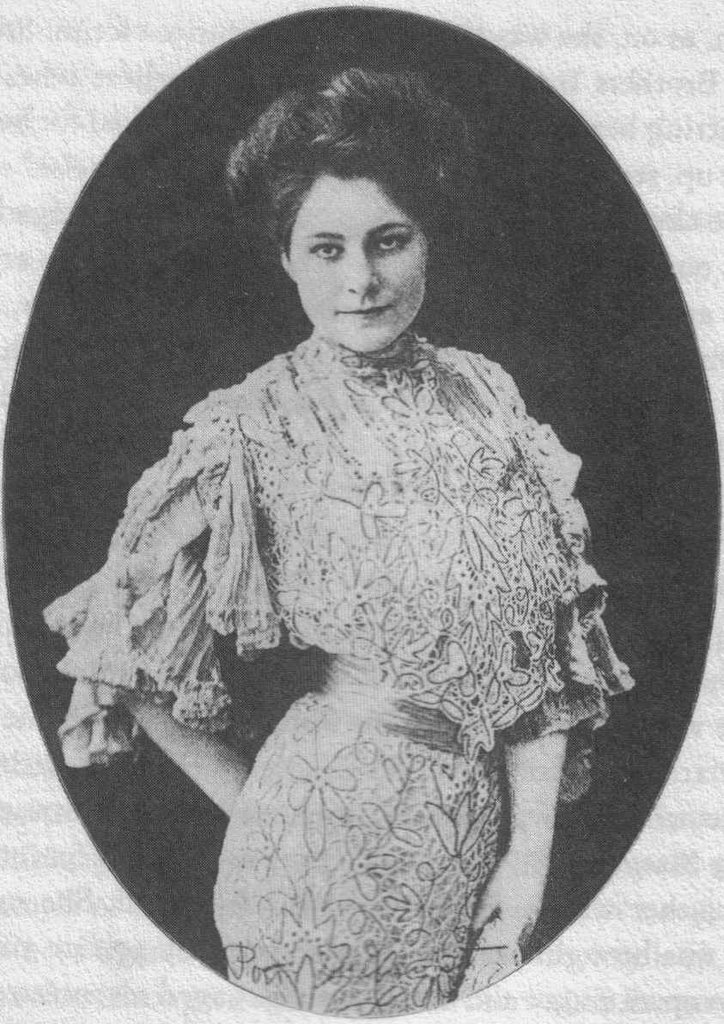
Enchanting Ethel Barrymore was so irresistible that even Winston Churchill proposed to her…
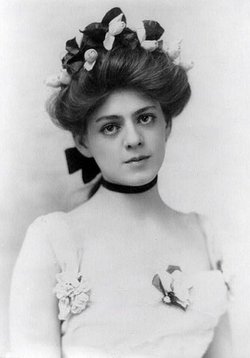
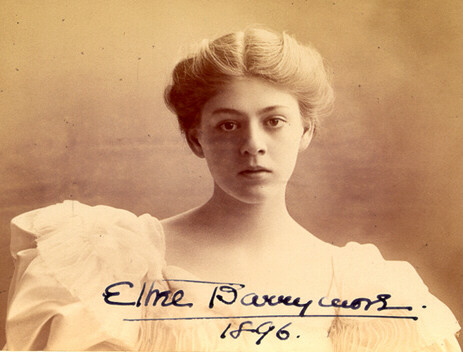
…and Agnes Moorehead was stunning before she morphed into Aunt Fanny in The Magnificent Ambersons and Velma the hag/maid in Hush, Hush, Sweet Charlotte. (This woman did not have an ounce of vanity!)
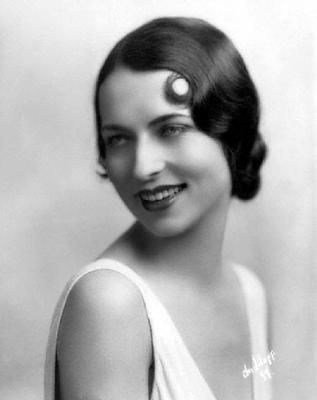
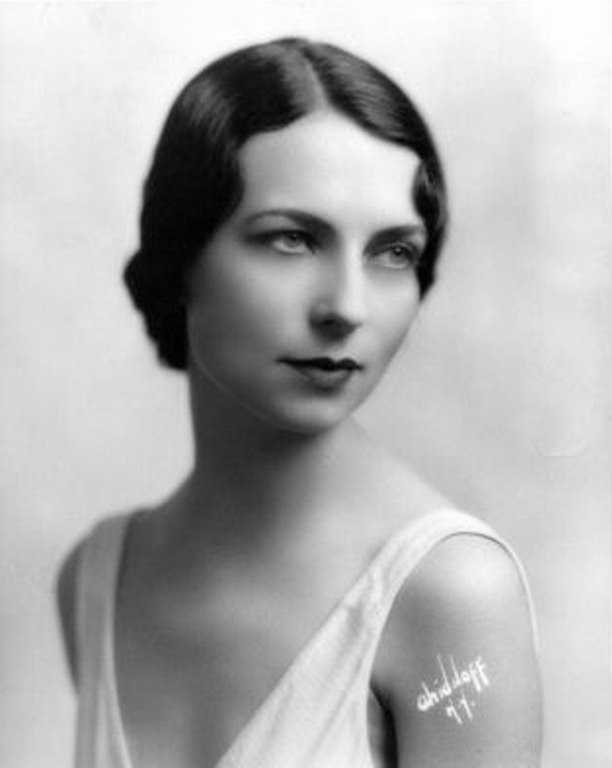
So the next time you see these ladies mothering their broods, peering over their spectacles, henpecking their hapless husbands or giving the leading ladies no end of grief, remember that inside each one of them is an absolute doll.
TINTYPE TUESDAY is a new feature on Sister Celluloid, featuring fabulous classic movie pix (and often a bit of backstory!) every week, to help you make it to Hump Day! Why not bookmark the page, here, to make sure you never miss a week?
Ruth Chatterton Could Teach FRISCO JENNY a Thing or Two
He was born on Leap Day. She was born on Christmas Eve. But when it came to working together, neither felt much like celebrating.
In 1932, when director William Wellman was paired with Ruth Chatterton for Frisco Jenny, it seemed the set might not be big enough for two passionate perfectionists who were used to calling the shots and very much unused to taking any crap from anyone. He’d been tagged an ogre, she’d been branded a diva.
“[Daryl] Zanuck brought us into his office and before we could sit down, Chatterton took one look at me and said, ‘I wouldn’t work with that man,'” Wellman recalled. “And I said, ‘I wouldn’t work with you.’ Zanuck said, ‘I’ve got news for you, you’re both going to work with each other or you’re both out of work.'”
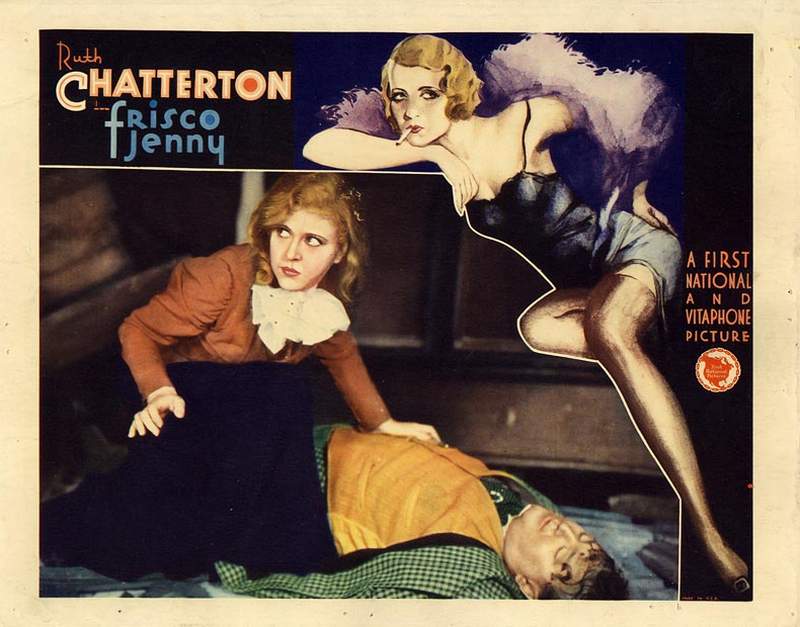
During preproduction, the wary director and his reluctant star communicated solely through his assistant, which suited both of them just fine. But once shooting began, they actually had to work with each other. Which, to their astonishment, went far better than either expected. On the very first morning, Chatterton nailed an emotionally draining scene in one take—so much for being difficult. Genuinely bowled over, the director praised her lavishly—so much for being a monster.
“I don’t know why,” Wellman later laughed, “but it was just like a couple of SOBs getting together, who suddenly liked each other.”
Lots of Pre-Codes find their heroines in deep trouble at some point—but Frisco Jenny may break some sort of land speed record for instant drama. Almost as soon as the opening credits fade out, Jenny confesses to her saloon-keeper father (Robert Emmett O’Connor) that she’s pregnant out of wedlock by a local piano player (James Murray, in one of his last roles). And then suddenly—why, what’s that rumbling? Is it a deep sense of family unease? Nope—it’s the San Francisco earthquake! Filmed with terrifying realism, much the way Wellman shot his battle scenes, the quake claims both Jenny’s father and, we learn later, her lover.
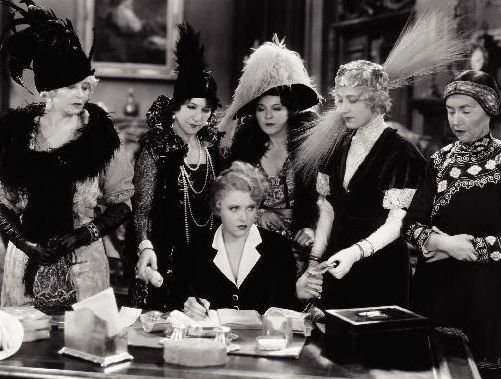
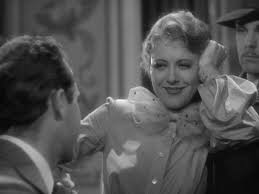
In a city now more wide-open and sinful than ever, Jenny opens a house of ill repute in the notorious Tenderloin district, to support herself and her infant son, Dan. But soon, seeking a better life for her boy, she places him with a wealthy family, intent on bringing him home as soon as she has enough money to leave her current life behind. Things don’t turn out that way, though: when she visits the boy years later, he has no memory of her, and clings to his adoptive mother.
Now seeing little reason to reform, Jenny falls back in with the criminal crowd, expanding her empire to bootlegging, to disastrous effect. But all the while, she secretly keeps a scrapbook of Dan’s growing list of achievements: honor student at Stanford, football star, law student, assistant district attorney. Clearly their paths will cross again at some point, from opposite sides of the law, and when they do, the results will be tragic.
Wellman’s keen desire to strip away the trappings of artifice and glamour extended to his leading ladies, and in the heartbreaking closing scenes of the film, he shot Chatterton, then 39, entirely without makeup. With her full permission and even her blessing.
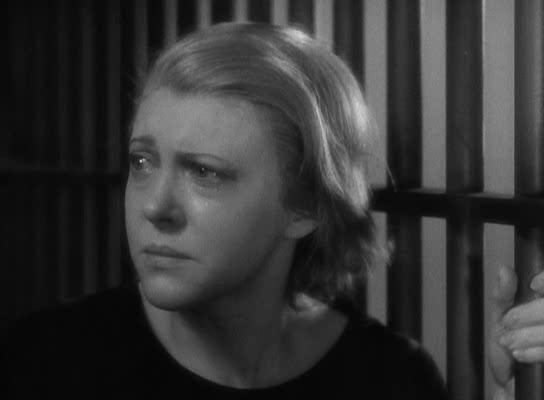
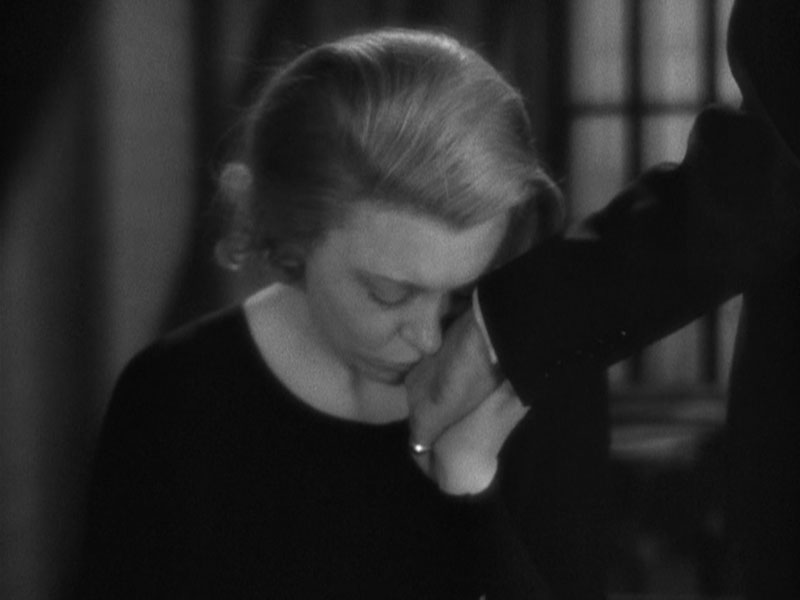
There’s a lot of talk about how much freer and more powerful women were in Pre-Codes, and that’s true, up to a point. But there was also a whole lotta reforming going on. Our heroines often paid a steep price for their “sins,” and often coughed up payment for other people’s misdeeds as well. That was certainly true in Frisco Jenny.
Chatterton’s character didn’t fare much better in her next pairing with Wellman. In Lilly Turner, her first husband is a bigamist, her second is an incorrigible drunk, and let’s not even talk about the carnival strongman who escapes from the insane asylum to join the parade of potential suitors.
By the time they churned through that little potboiler, the actress and director were such close friends that when William Dieterle bowed out of Female—one of the most wickedly fun movies of Chatterton’s career—Wellman took the reins and shot most of the exteriors until he was called away to another film, leaving Michael Curtiz to finish things out. (And no offense, Orry-Kelly, but any designer who covers that fabulous caboose with a giant bow should be shot at dawn.)


Chatterton’s most memorable role still lay ahead of her, in Dodsworth, as Walter Huston’s restless, insecure wife Fran, who’s terrified of growing older—a fear the actress didn’t share. When good movie parts were no longer coming her way, she moved back East with Barry Thomson, her third husband (after Ralph Forbes and George Brent). She returned to the stage, did a bit of television, and wrote four novels, including Homeward Bourne, which became a bestseller in 1950.
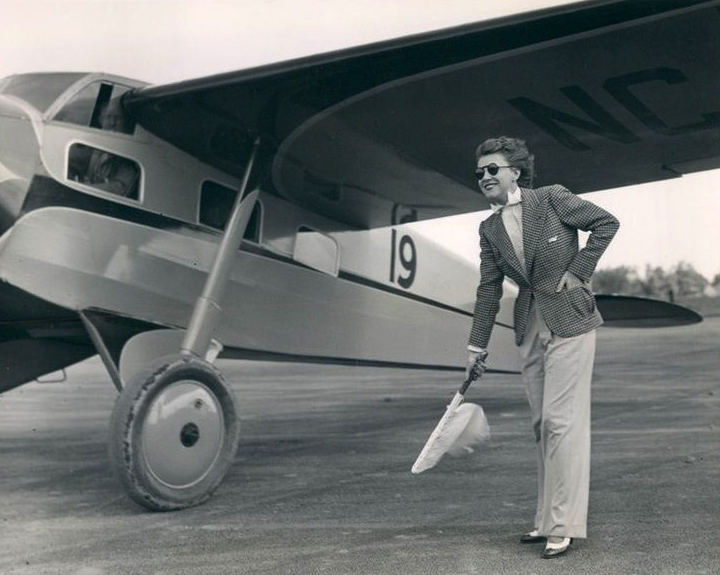
But perhaps her greatest passion was flying. And we’re not talking about dabbling here: Chatterton flew solo across the Atlantic several times, just a few years after her close friend Amelia Earhart had. She also sponsored major events, including the Sportsman Pilot Mixed Air Derby and, of course, the annual Ruth Chatterton Air Derby.
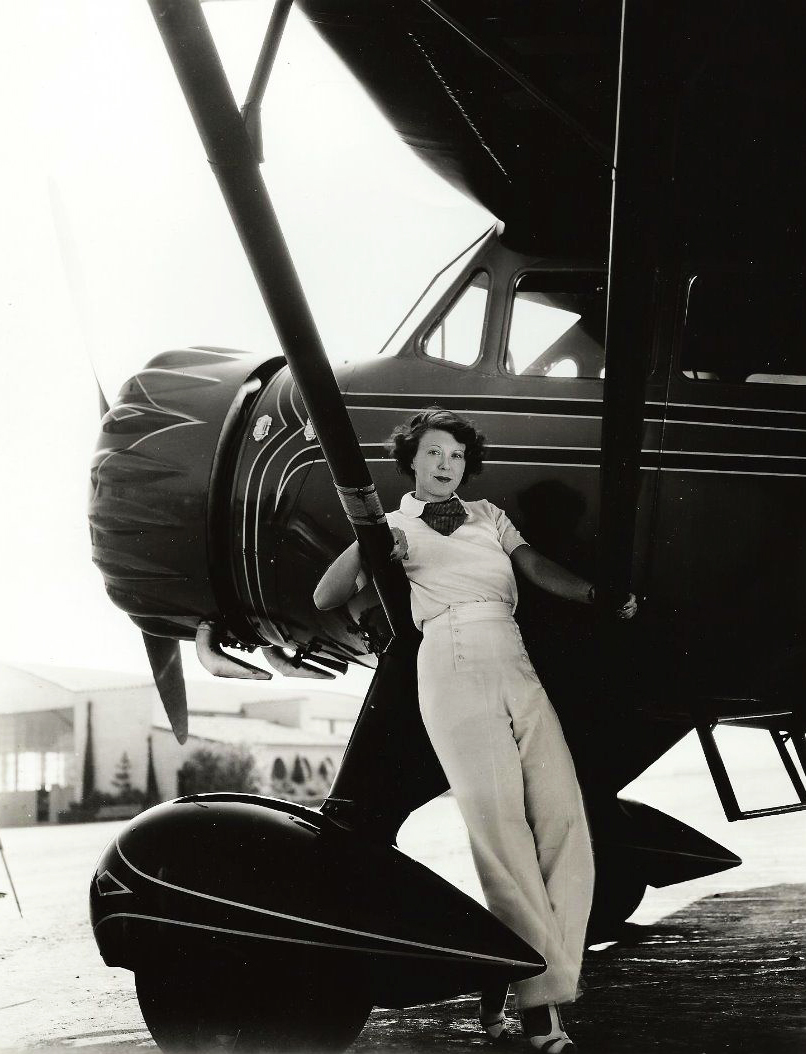

By 1936, when she opened the Los Angeles Air Show, Chatterton had already logged about 250 hours in her latest plane, a Stinson Reliant. That’s when Brian Aherne made the mistake of telling her how much he hated flying, which made him violently ill. Thus began her campaign to get him into the air. “For months, I dodged the issue,” he later recalled. “Then one fine spring day she called me on the telephone and told me she was flying to Santa Barbara and wanted me to go along. There wasn’t anything to do but go.” Perceptive lad…
“The air was calm, the trip was smooth, the day was beautiful, and the first thing I knew, I was handling the controls—just a little bit, very high up,” he marveled. “She told me I’d make a wonderful pilot. She told Bob Blair, who has taught many motion picture people to fly, that I’d make a wonderful pilot.”
What finally cinched it for him was this: “Miss Chatterton told me that as long as I was at the controls, I’d be okay, no matter how rough it got.”
Words she herself lived by. Not surprising, then, that she found a kindred spirit in William Wellman.

 Sister Celluloid
Recent Comments