How a Father Saved His Sick Little Girl, With a Little Help from the Knicks
During the Knicks’ magical playoff run, it felt like everyone in the city was at a watch party. Watching with friends in bars. With family hunkered down on the sofa. With strangers in the streets. But some of us—a lot of us, I think—were watching with ghosts.
One afternoon in 1968, as my father was fuming at a Knick game on TV, I casually asked him what ticked him off so bad. I don’t even think it was an actual question—more of a “Jeez, Dad, calm down!” kind of thing as I trudged through the living room on the way to the kitchen. But that was all it took for him to plunk me down beside him and school me in the art of setting screens, blocking out, posting up, playing defense with your feet (took me a while to figure that one out) and, maybe most important, keeping the ball moving and not standing around.
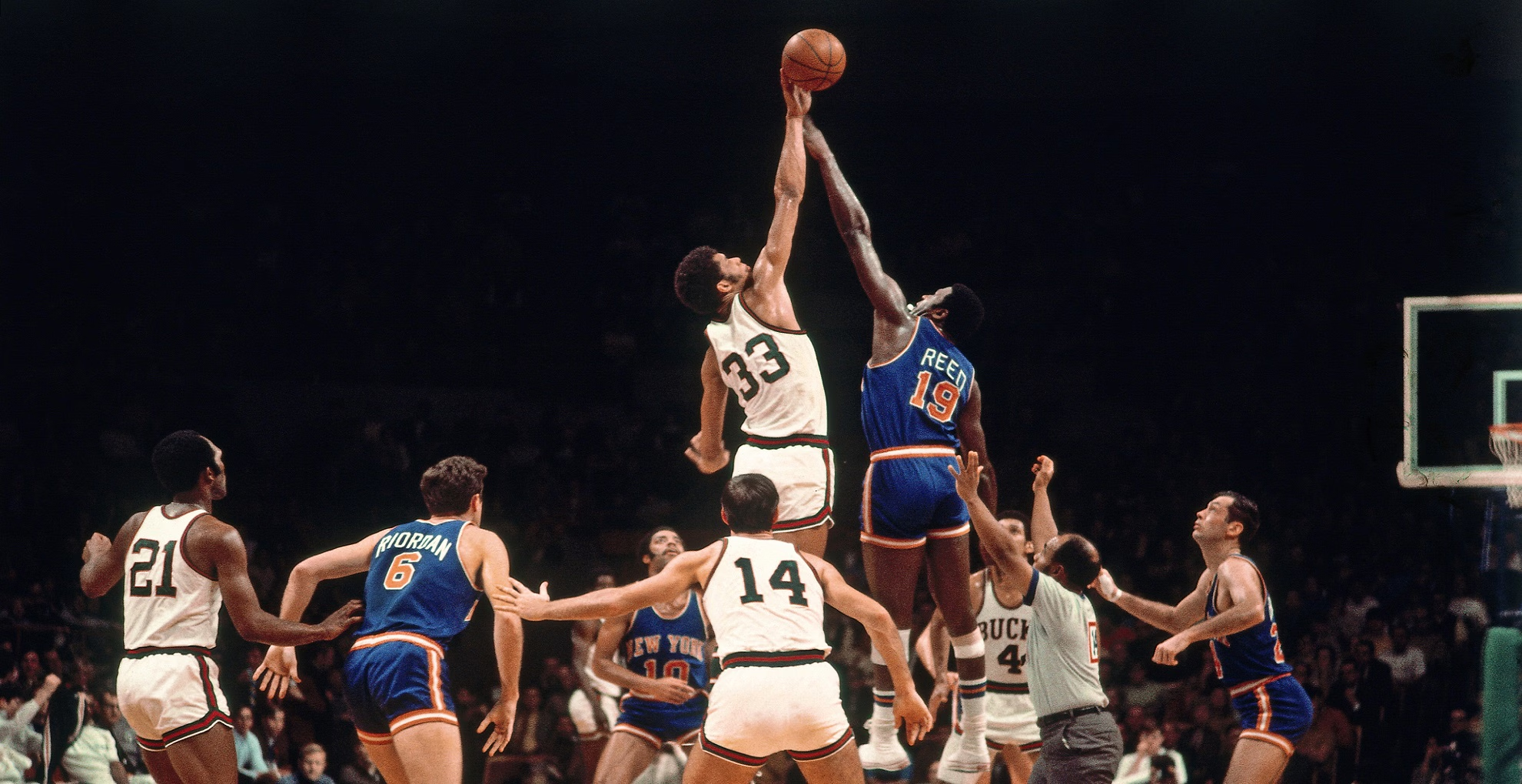
Earlier that year, in the third grade, I’d been diagnosed with a duodenal ulcer, and the pain often kept me up at night and out of school during the day. I was missing my friends and falling behind in class, which dialed up the stress, which worsened the pain, and on and on went the vicious cycle. My Dad was always looking for ways to pull me out of it—and he’d hit on a new one.
Tall, rangy and wicked-smart, he’d played basketball at St. Michael’s Diocesan High School and in the schoolyards of Sunset Park, and he could pick apart defenses and anticipate moves just as quickly watching games on television. It was like sitting with a coach, or even a psychic. “Keep an eye on that guy—he’s gonna cut!” and right on cue, he would.
The following spring, he took me to my first game at the Garden. Not a lot of little girls hanging around Penn Plaza in those days, but lots of sketchy guys in raincoats who looked like something out of a public-service ad about not talking to strangers. Some were shouting “Who’s selling?” and others, “Who needs tickets?” so I asked my Dad why they didn’t just get together. “No, hon, the buyers are really sellers,” he explained, grabbing my hand and pulling me toward the safety of the lobby. Um, what? “They’re looking to pick up tickets cheap and resell them for more money.” And that’s how I learned the economics of scalping.
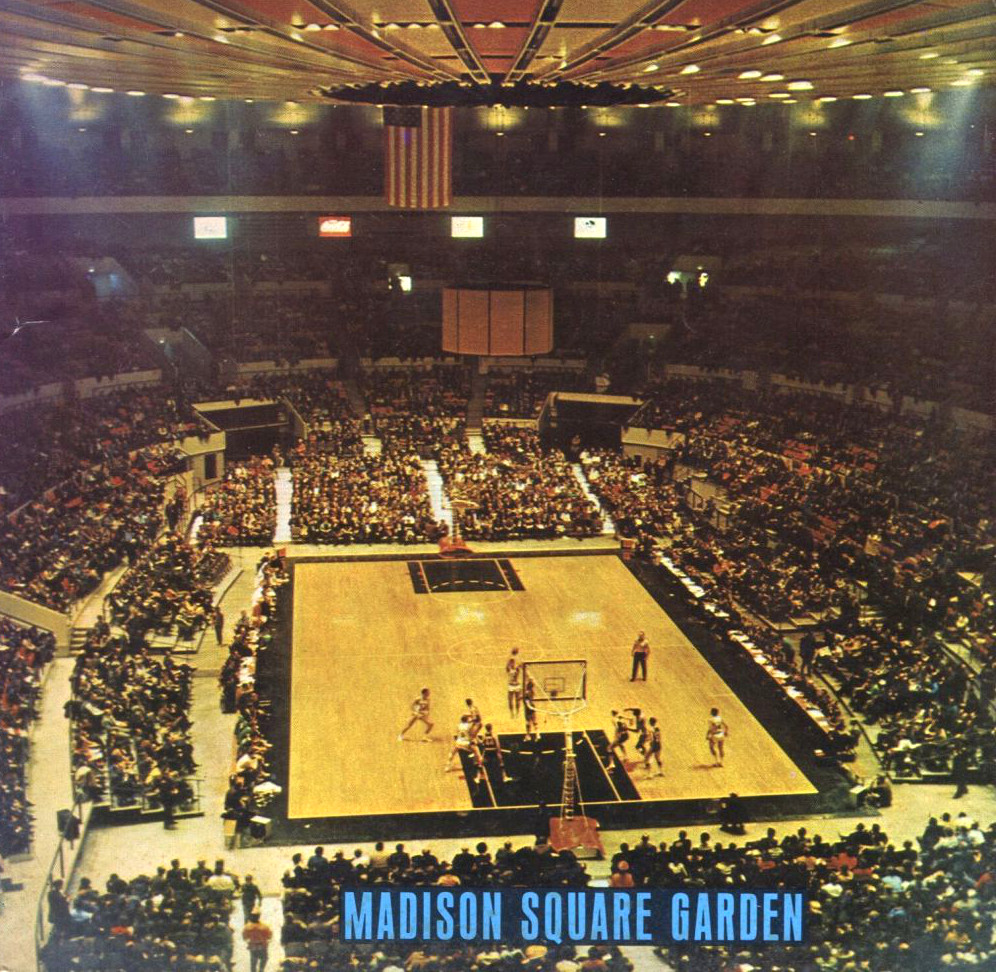
But the game itself was heaven. I remember stretching up from my bright-orange seat, looking down at the players practicing their shots, and thinking, “That’s them. That’s really them.” Willis Reed. Bill Bradley. Walt Frazier. Dave DeBusschere. Dick Barnett. Not just on the TV. Right there.
I was thrilled just to see what the inside of the Garden looked like, since home games were blacked out unless you had cable or satellite, which weren’t even available in Brooklyn. In 1970, we listened to the seventh game of the NBA Finals hunched around the big console radio in the dining room. (Just thinking about that makes me feel like a refugee from a LifeAlert commercial.) Everyone wondered if Willis Reed, my Dad’s favorite player, would make it onto the court after tearing his quadriceps in Game 5. “He’ll be there,” my Dad assured me. “If he can crawl, he’ll be there.” Another promise made and kept, as Reed hobbled out of the locker room and into legend that night.
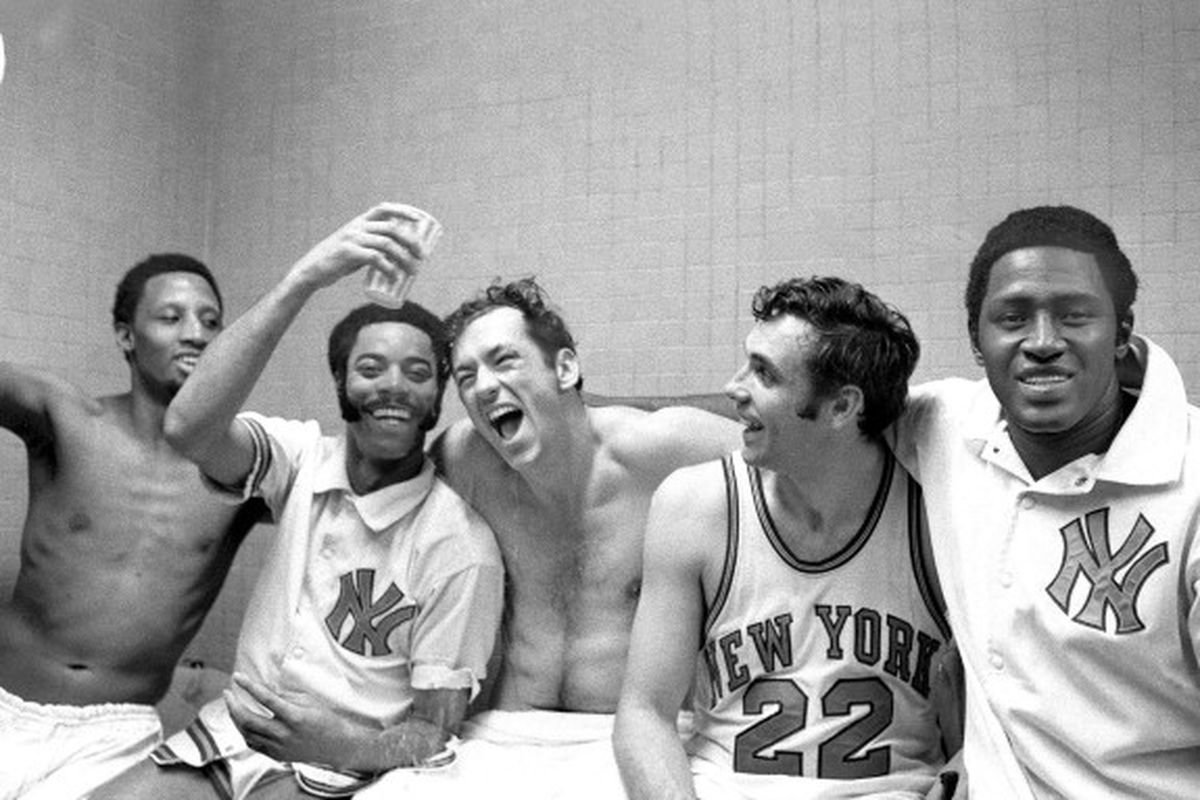
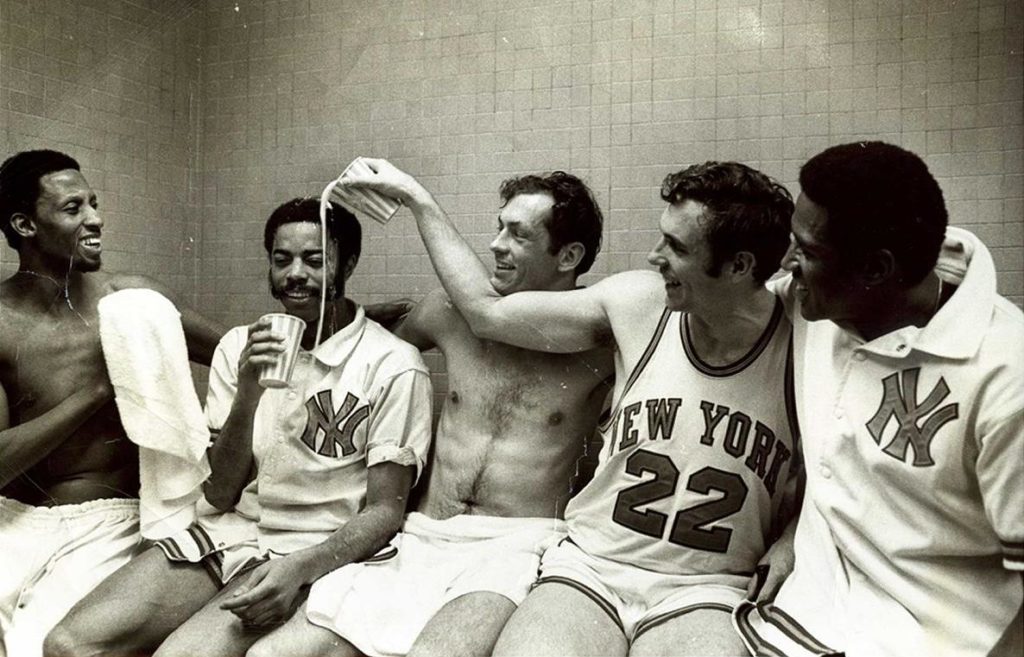
Three years later, when the Knicks beat the Lakers a bit more handily in Los Angeles, we actually got to see the deciding game on TV! But oddly, the win I remember most was Game 7 of the Eastern Conference finals, after the Knicks had clawed back from a 3-1 deficit. Knicks-Celtics. Boston Garden. Winner take all. And me in my first grown-up outfit on Easter Sunday: pink linen skirt, matching sweater, white high heels and real stockings. The game went great, but the clothes quickly went to hell, which is where my mother said I’d go if I didn’t stop kneeling on the floor in front of the TV and ruining everything I had on. As I scooched around nervously, the nubby hardwood tore into my nylons and snagged little loops in the skirt. “It’s my fault,” my Dad shrugged. “I need to sand the damn floor.”
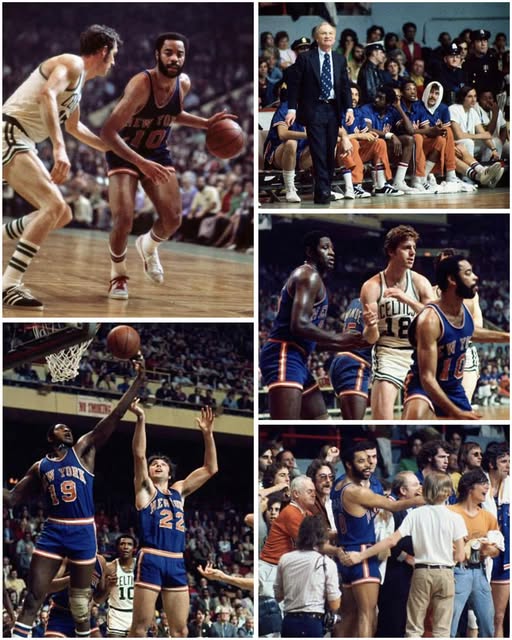
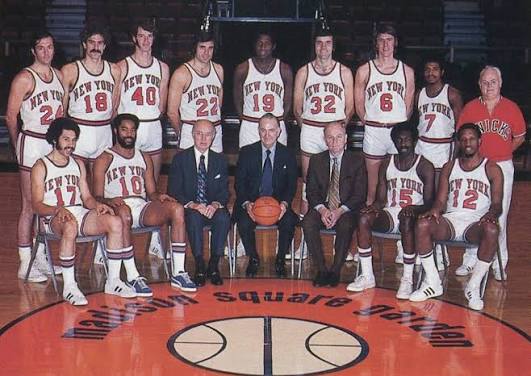
In 1974, the Celtics came back to knock us out of the Eastern Conference finals, and the following year brought a rude first-round exit. Then in 1976, the unthinkable: we didn’t even make the playoffs. My Dad, who’d suffered through so many losing seasons, threw his arm around my shoulder and gave it a squeeze. “Don’t worry, hon, we’ll be back next year.” But it lacked his usual spark of conviction. He seemed worn down somehow, racked by a troubling cough he couldn’t seem to shake.
Two months later, he was diagnosed with cancer of the esophagus. After surgery revealed the disease had spread, he spent most of the summer in the hospital. I’d walk the mile or so along the shore to visit him, and we’d watch the Mets, who were fading, or the Yankees, who were finally getting good. Though a National Leaguer at heart, he loved Thurman Munson, who reminded him of his all-time favorite player, Mel Ott.
Sometimes we’d look out the window at the water as the town prepped for the Bicentennial parade of ships. I didn’t care much about all the fuss; mostly I just wanted him home. I’d already organized his sock drawer and his ties (he was slightly color-blind) and straightened out his jumble of a nightstand.
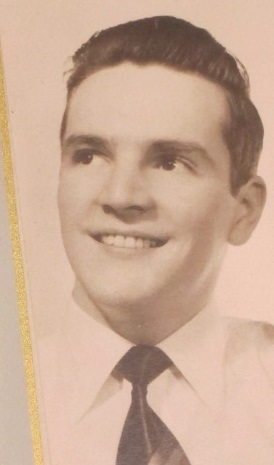
His baggy hospital gown masked how thin and frail he’d become. But one night as I clasped his arm to kiss him goodbye, I realized I could almost close my hand around his wrist. Anyone with an ounce of sense could see he was wasting away, and quickly. I bought Bisquick so I could bulk him up with pancakes when he got better and came home.
Less than a week later, he was gone.
From the moment he was diagnosed, he knew his time was painfully short, and he must have felt his body failing more with each fleeting day. But he’d sit there next to me in his hospital room, watching the baseball games and the boats on the bay, as if every day was just another Saturday on the sofa. Not long after I lost him, I remembered how sometimes I’d turn away from whatever was on TV to see him studying my face, as if he were trying to remember it.
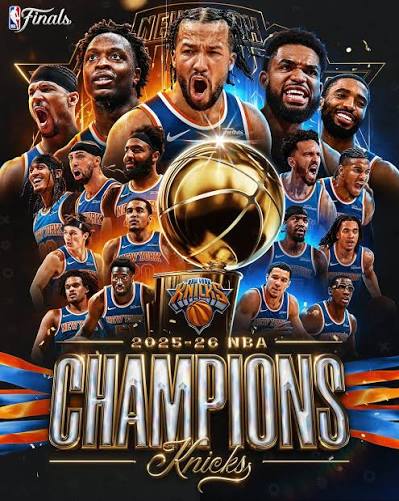
My Dad has been gone for fifty years now, four more than the stingy number of years he was given on this earth. Since then I’ve watched thousands of Knick games, and not one has gone by without me feeling he was right there beside me. He would have loved this team, with their smarts, their selflessness, and their lunch-pail work ethic, always playing with the passion of underdogs. Mostly he’d love that I’ve kept the faith for over half a century, remembering everything he taught me. For Game 5, I pulled out a bottle of champagne but didn’t dare chill it, for fear of jinxing us. And after the last Spurs shot clunked off the rim and the final seconds ticked away, I popped it open and raised a warm, bubbly glass. We did it, Dad. We finally did it.
- Posted in: Miscellaneous ♦ Uncategorized
- Tagged: 1970 knicks, 1973 knicks, 2026 knicks, basketball, bill bradley, dads, dave debusschere, dick barnett, knicks, knicks championship, knicks memories, madison square garden, msg, nba, sports, walt frazier, willis reed


Dear Sister, A very moving story. May your dad rest in peace. Thank you for sharing.
I loved reading this post. Fifty years late, I’ll say that I’m sorry for your loss.
I’m old enough to remember those Knicks years. I never made it to the Garden, but I hung on every game.
Maybe you remember Bob Wolf and Cal Ramsey on Knicks broadcasts? (WOR, I think.)
Oh absolutely I remember them! What a blast from the past. And thank you for your kind words!