What’s Your Classic Movie Intervention?
Okay here’s a question for all of you, who, like me, feel movies from the top of your head to the tips of your toes. What classic movie character would you like to stage an intervention for? Who makes you want to reach into the screen and say “Don’t do it!” I don’t mean warning someone about an imminent danger, like “Don’t go down the basement!!” I mean something the character is doing or not doing, or perhaps the way they’re living their lives, that’s just breaking your heart or making you crazy.
For me, two come to mind right away: Fran (Ruth Chatterton) in Dodsworth, throwing away her husband, one of the best and most attractive men in the world, for a string of Eurotrash milquetoasts, and Sibyl Vane (Angela Lansbury) making the terrible mistake of turning around and staying the night in The Picture of Dorian Gray. I’ve seen that movie roughly ten times, but that scene only once: I literally have to leave the room for about two minutes until it’s over. I can’t even fast-forward past it because you can still kinda see it. (I realize, of course, that both these films are based on novels, so maybe I have to leap into the books to save these ladies as well.)

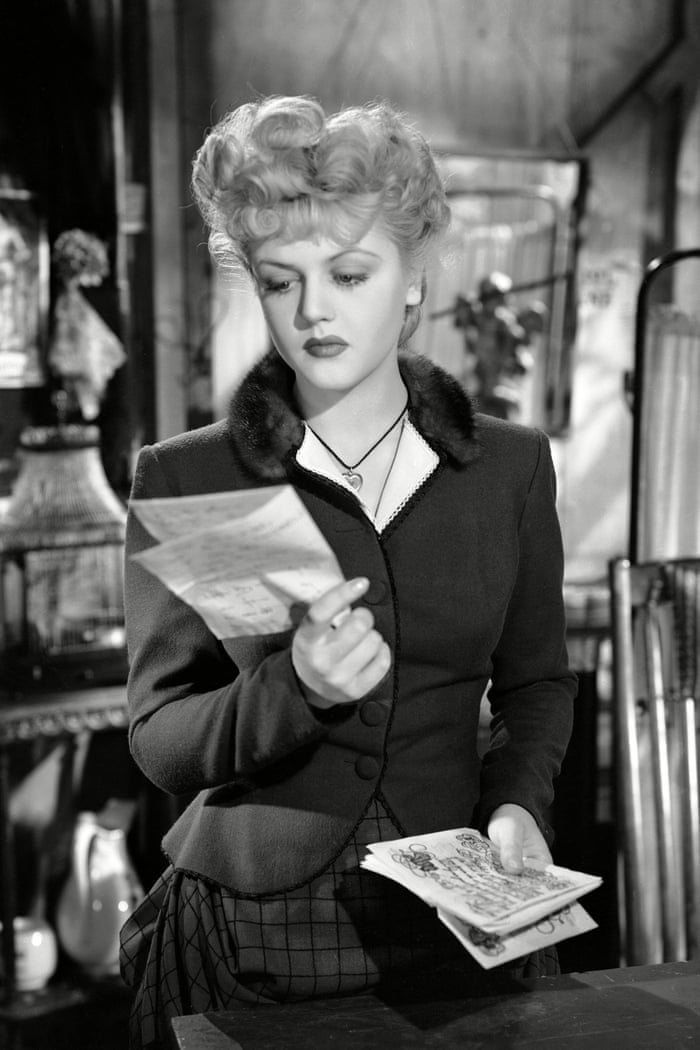
Similarly, I spend much of Random Harvest, which I love but oh my God, screaming at Paula (Greer Garson), pining away for her amnesiac husband (Ronald Colman), “Just tell him!!” Though as my Mom would wisely point out, as with most plot contrivances that drive you insane, “Then it would be a really short movie.” And at least her story ends happily, because we all know that being long-suffering, noble and self-sacrificing is a sure-fire ticket to romantic bliss.

Sad to say there are many, many more, but I’d rather turn the floor over to my movie tribe.
So… what classic movie character do you most want to save from themselves?
Anna May Wong to Be Honored with US Coin—Which Woman of Film Should Be Next?
If you’ve ever strolled along Hollywood Boulevard, you’ve likely seen Anna May Wong gracing the Four Ladies of Hollywood statue, with Mae West, Dorothy Dandridge and Dolores del Rio comprising the other three pillars. But now Wong is set to be immortalized on a US coin.





Thanks to the Circulating Collectible Coin Redesign Act, signed into law last year, a special series of quarters will be struck to commemorate American women who’ve made indelible contributions in the arts, sciences, public affairs, civil rights, and other fields.



The first honorees, set to appear next year, will be poet, writer and activist Maya Angelou; Dr. Sally Ride, the first American woman, and youngest American, in space; the Cherokee Nation’s Wilma Mankiller, the first woman to be elected chief of a major tribe; Aledina Otero-Warren, a leader of New Mexico’s suffrage movement and the first woman elected to be superintendent of schools in Santa Fe; and Wong, who was of course the first Chinese American film star and later became an activist for Chinese refugees after WWII and a groundbreaker on television as the star of The Gallery of Madam Liu.
For Wong, it’s long-overdue recognition for a luminous talent pigeonholed and then virtually sidelined by the film industry. But fittingly, here’s where she gets to be a trailblazer again: these coins are only the first of a series—and you can help decide who’s honored next.
For the sake of this post, let’s focus on the movies. What say you, film tribe? Who’s made a massive contribution — and perhaps one that’s been overlooked or lost to an increasingly myopic movie history? Writers, directors and filmmakers, like Dorothy Arzner, Lois Weber and Francis Marion? Actors of color who graced scores of films but were often marginalized, like Theresa Harris and Juanita Moore? Those whose stellar careers were cut short in service to their country, like Carole Lombard, whom FDR called the first US casualty of WWII?
Click this link to nominate your favorite female idols, and let me know your choices in the comments section! And please share this post so your friends and fellow film fans can have their say.
STREAMING SATURDAYS! Brace Yourself for a Shock in PAROLE GIRL
Welcome to another edition of Streaming Saturdays, where we embed a free, fun movie for you to watch right here!
Parole Girl has the most shocking ending in all of classic film: Ralph Bellamy gets the girl. (Not to fear—we know that from the jump. Also there’s literally no other attractive man in the entire movie.)
The girl he gets is the fabulous Mae Clarke. But first he sends her to prison—talk about meeting cute!
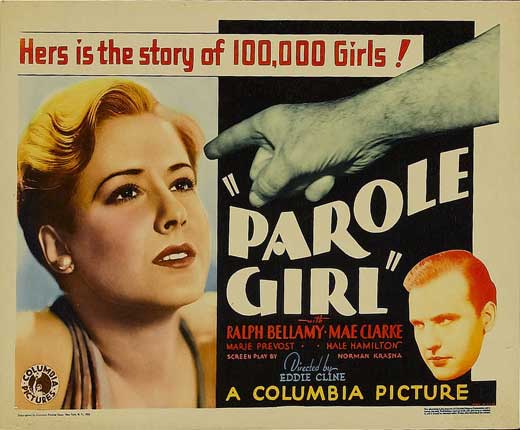
Sylvia Day (Clarke) gets guilted into teaming up with grifter Tony Gratton (Hale Hamilton), who had befriended her father when he fell on hard times. Now on her own after his death, she agrees to help Tony pull a con on a department store. After she’s caught and collapses in fear and remorse, the manager is willing to show her mercy—but his boss, Joe Smith (Bellamy) insists they can make no exceptions.
Sent off to jail, Sylvia’s got but one consuming, consoling thought: wreaking revenge on Smith when she’s released. And does she ever—up to a point.
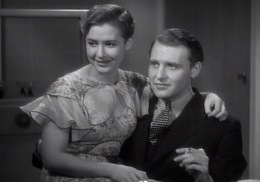
Parole Girl was a bit of a departure for director Eddie Cline, who usually knocked around with Mack Sennett, Buster Keaton and W.C. Fields. But it was tailor-made for the versatile Clarke, who moves seamlessly from a terrified, pleading victim to a vengeful schemer (with a rueful laugh that could peel the wallpaper) to a desperate wife who risks everything to protect the man she now loves.
The script was an early effort of Oscar winner Norman Krasna, who later collaborated on two of Jean Harlow’s best films, Bombshell and Reckless, and went on to whip up such confections as Wife Vs. Secretary, Bachelor Mother, Mr. and Mrs. Smith, The Devil and Miss Jones, Indiscreet and Sunday in New York (with my beloved Rod Taylor). Some of the coincidences that drive the story along will strain your credulity so hard you’ll need a chiropractor. But it’s a sweet little movie—and must have been especially satisfying for Mr. Bellamy.
STREAMING SATURDAYS is a semi-regular feature on Sister Celluloid. You can catch up on movies you may have missed by clicking here! And why not bookmark the page to make sure you never miss another?
The Stands Were Alive as Julie Andrews and Christopher Plummer Relived THE SOUND OF MUSIC
Godspeed, Christopher Plummer, whose star blazed across seven decades and who still made me sigh when he glided onto the screen in Knives Out just a year or so ago. Just a few years earlier, he’d taken on the daunting task of subbing at the last second for Kevin Spacey in All the Money in the World, astounding director Ridley Scott with his mastery of the complex, demanding role with little time to even memorize his many scenes, let alone prep for the murky role.
My Mom and I were lucky enough to see him in his one-man show of Barrymore, which amply called on his natural wry wit and deep emotional range, on display in his film career as well—playing everything from ruthless film producers and Nazi generals to legendary newscasters and sympathetic detectives. He finally won an Oscar for his role in Beginners, as an elderly man who comes out to his family and finds love during the last years of his life. “I have a confession to make,” he told the adoring crowd. “When I first emerged from my mother’s womb I was already rehearsing my Academy thank-you speech.” (And yes, that was me you heard, laughing and sobbing in my living room.)
But his most famous role was one he often dismissed, but finally embraced: Baron von Trapp in The Sound of Music.

Back in March 2015, when the new print kicked off the TCM Classic Film Festival, he and Julie Andrews—who still clearly adored each other—gave us a glimpse of their Music memories during a pre-screening interview with Sid Ganis, first vice president of the Academy of Motion Picture Arts and Sciences.

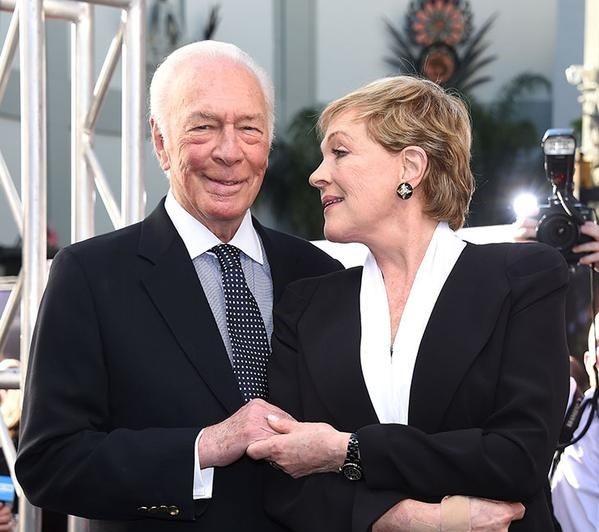
Ganis kicked things off by asking who in the audience had never seen the film—and the first hand to shoot up was Plummer’s. Turns out that during the film’s New York premiere,”all the males went to a bar,” Plummer laughed. “We’d kind of seen it, you know? So we spent most of the night in the bar. I can’t do that any more like I used to, damn it.”
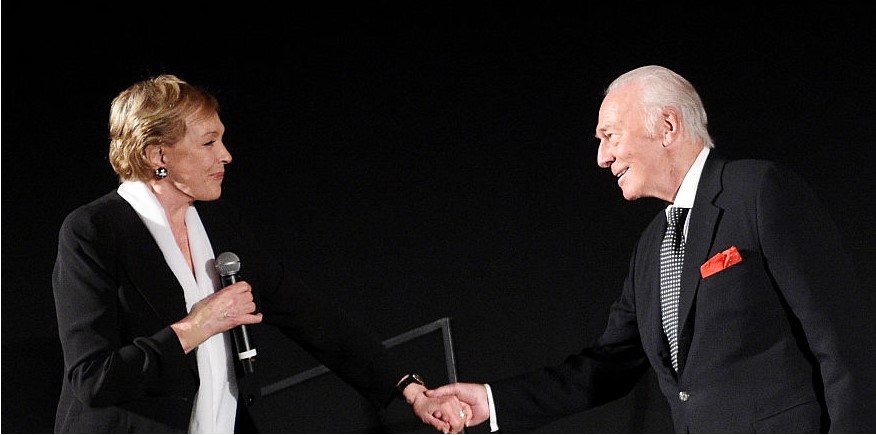
The actor had derided the film in the past, even jokingly referring to it as The Sound of Mucus—and at one point, didn’t think much of film work, period. He and Andrews touched on that, and more, during their conversation:
CP: Funnily enough, I was asked to do The Sound of Music on Broadway… Mary Martin took a shine to me but her husband said, ‘Mary, he’s 29 years old, darling…” And of course Theodore Bikel did it beautifully.
In those days I thought the stage was it. You think the theatre is so intellectual but then you think, ‘What am I doing?!? They pay so well in the movies!’ But early in my movie career, you’ll see me walking around not really knowing where to go.
Working with Julie, though… I sort of fell in love with her when I was sitting up in the theatre balcony watching her as Eliza Doolittle. She’s wonderful… an old-fashioned saint… you’d follow her into battle the way you would Joan of Arc.
JA: <laughs> You called me a saint? How dare you, sir! Ruining my reputation! We’ve always been great chums though.
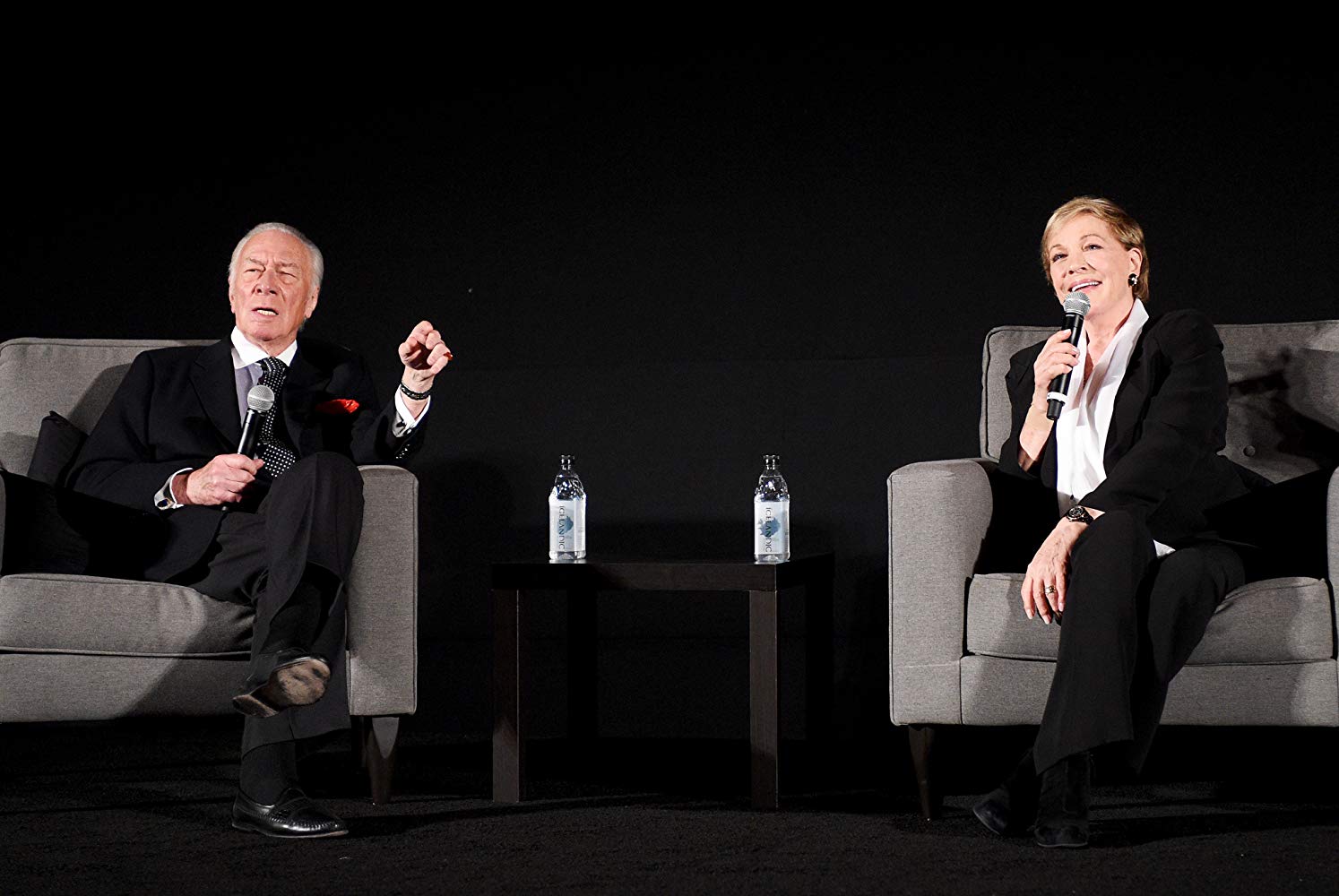
CP: And for all I’ve said about the film, I think this is the primal family movie of all time… it’s a fairy story brought to life—the last bastion of peace and innocence in a terrible time.
JA: Richard Rodgers’ daughter Mary said it was the one show that translated better to the screen from the stage—of all those walloping hits! And everyone making the film was at the peak of their talents. And the quality of the music is phenomenal.
CP: The arrangements were extraordinary—just magical!
JA: And a huge orchestra!
CP: Well, yes, as someone who was trying to sing above them…
JA: And the beautiful Alps and the children and the nuns…
CP: …could have been really mawkish!
JA: You made it less saccharine—you made it have an astringency because of the way you played the captain. And without that, we would have been sunk, my love. I really mean that. You and [director] Robert Wise made sure of that. With his innate good taste, he saw the problem, that it could go that way.
He was a gentleman and a gentle man. And of course was one of the editors on Citizen Kane. He had a great sense of economy of emotion. He taught me something—he said, ‘Julie, look in one place only, don’t look left-right-left-right, keep still.’ What a gift that was! That huge close-up—be still! I guess we were rattling back and forth in some of the early dailies that he saw.
And the wonderful choreographers went ahead to the locations and took measurements of how many steps for each number, etc. so when we got there it was all laid out for us!

CP: We filmed backwards, first in Austria and then back to California. And you were always carting oxen up a hill or something…
JA: I was on top of the carts, going up the hill with the cameras! Often in the mud! Austria has Europe’s seventh-highest annual rainfall… but the rain made so many beautiful, glorious puffy cumulus clouds in the background. When you see the movie, notice the strength of the background, because it made a difference. Robert Wise said that gave a texture to it. It makes a difference… it wasn’t just a picture postcard.
CP: And the cameramen didn’t try to soften Austria. They almost shot it as a documentary.
JA: Not all of the locals liked us, though. We had the speakers set up outdoors, and one farmer came out with a pitchfork and screamed, “You’re ruining the milk from my cows!” Did you have any problems with things like that?
CP: I went straight to the bar.
And on that happy note, the Q&A closed, and the curtain rose…
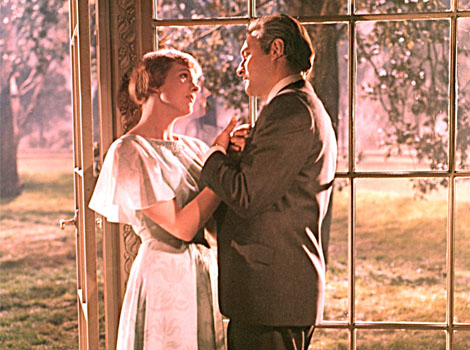

Thank you, dear Christopher, for everything.
A Memory Dream Turns Into A Nightmare
For me, it’s always been one of the most unsettling scenes ever set to film: the one in Goodfellas where, after Henry has become something of a liability, his wife Karen goes to see his mobster friend Jimmy for help, amidst a jungle of ramshackle old warehouses near the docks. At first, he commiserates with her, asks how Henry’s holding up, and presses a few thousand dollars into her hand. Then he gives her a hug and a kiss and says “Listen, I got some beautiful Dior dresses, you wanna have ‘em?” Still flush with gratitude, she smiles and says, “Yeah, maybe for my Mom.” But as he tries to steer her, a bit too insistently, into the dark, deserted space where he wants her to go, you can almost see the hairs on the back of her neck stand up.
Being somewhat movie-mad, and trying to put something that just happened to me into some kind of context, that was the scene that ran through my mind yesterday.
I had gone to Sunset Park, Brooklyn, to pick up my husband Tim after arthroscopic surgery. The nurse said she’d call when I could come by, and in the meantime, I walked around the neighborhood, my face tucked into my coat collar against the bitter cold, as the wind barreled down the bits of barren street where it met no resistance. I suddenly realized I was just a few blocks from the house where my Dad grew up, and where we lived, upstairs from my Gramma, for the first few years of my life.
The front door was now made of steel, almost prison-like, which really threw me. But the bricks on the front, mottled dark and red, still looked the same, as did the swirling black ironwork on the windows.
I remembered the willow tree that once stood across the street, whose shadows hovered protectively on my bedroom wall in the glow of the street lamp as I drifted off to sleep. And I remembered Billy down the block, who had a lot of trouble with his words. I can still hear his voice—he couldn’t quite clamp down on the hard letters and everything sounded a bit like oatmeal. But somehow I could understand him, and his Mom, who topped out a bit above my 6-foot Dad, would sometimes bend close to me and ask me what he’d said. Maybe because I had a stumbling block of my own—Rs eluded me completely (and sometimes still do)—I could make my way through his jumble of sounds.


The little courtyard behind the front gate reminded me of when Billy and I made several hundred round trips up and down the street with his wagon to collect the phone books thrown away when the new ones arrived, and built a fort there. Which was heaven until it rained. But before it collapsed into roughly a thousand pounds of soggy pulp, Billy and I got married in front of it—Billy in his spiffiest teeshirt, me in my best shorts set and my sister’s First Holy Communion veil, and my best friend Monica sporting a lovely kitchen towel on her head as my maid of honor.
And I remembered going back to visit my Gramma with my Dad on Saturdays, after we moved away from that place I’d never wanted to leave. If I peered hard enough, I could still see her waiting there at the window for us.

But suddenly I was startled out of my memory dream when a man stepped out of the house and approached me. I apologized for lingering and told him it was once my family’s home. “Why don’t you come in?” he smiled, and I said no, that’s okay. He asked again, “Come in, it’ll be fine!” And again I nodded no, really, it’s alright. Then he got a little more insistent—”No, come on, come in!” And I suddenly realized, as the day began to darken, that he’d left the steel front door open and there was no one else around, anywhere.
I started to walk away slowly, not wanting to be rude, and thanked him again. And he grabbed my arm hard and dragged me toward him. I somehow got away and said “I have to pick up my husband from surgery!” and he said something like, “Yeah right!” As I hurried away he swiped at my arm again, grabbing hold of my coat and sort of growling something at me. I broke away and ran, and when I turned the corner onto a street with at least a few people on it, he gave up chasing me.
I ducked into a store, shaking, and started crying. A little while and a lot of deep breaths later, without waiting to hear from the nurse, I headed for the hospital, where Tim was doing fine and almost ready to go home. And I was more than ready.
Aside from thinking about that scene from Goodfellas, a few other things struck me. Like even after I’d felt fear rising up through my throat, I thought I had to just sort of saunter away from him to avoid hurting his feelings. And then, even after he’d grabbed me, I had to explain to him why today would not be a good day for me to be abducted off the street.
Most unsettling was that if I hadn’t needed to be somewhere—if I’d just been out for a walk and passed the house—I might have accepted his invitation to go inside, because at first he seemed normal, and I was swept up in my memories, and also I’m kind of an over-truster. (A friend of mine teases me all the time, like when my wallet’s hanging halfway out of my bag, “I can’t believe you’re from Brooklyn.”) That part really gives me shivers, the way something that didn’t happen and now never will happen but could have happened can still frighten you.
I realize very little of this is actually movie-related, but I just had to write it down. Thank you for listening.
Me, My Mom and the Movies
Back in the days when there were still video rental stores, I took a copy of Truly, Madly, Deeply over to my mother’s house, to watch before our usual Sunday dinner. I’d seen it over and over and knew she’d love it. There’s one scene that cracks my heart wide open—when Nina is in her therapist’s office, insane with grief. Unmoored from any hope of help, she’s just drowning, dissolving in great, heaving sobs.
That’s how it felt when I lost Mom. She died on June 21, the day the nights start closing in earlier.
I skipped the classic phases of grief—denial, anger, I don’t remember what else there’s supposed to be—and plunged straight into wailing, choking animal pain. At times I’ve blocked out that she’s gone, sometimes for seconds, sometimes longer. Around Thanksgiving, I spent a good ten minutes on a website picking out her Christmas gifts, snapping back only when I saw her holy card on the coffee table. For months I could barely breathe, as if my heart were trying to escape through my throat. But I feel like I’m coming up for air now, at least to talk about her.


It would be crazy to try to sum up my mother’s extraordinary life in a single post. After earning a Master’s degree in Mathematics, she taught both Math and English (how many of us are even remotely that left- and right-brain strong?). She started law school at 40 and became a prosecutor in the Brooklyn D.A’s office, facing down the mobsters who sat 10 feet away from her 115-pound frame on the other side of the courtroom. She served in the State Assembly, helping to found New York’s first safe house for domestic abuse victims, and fighting for group homes to rescue the mentally disabled from being warehoused. (“How would you like those retarded people on your block?” a woman once accosted her while we were in the supermarket. “There’s one right across the street from us, and my daughter volunteers there,” she replied. “They’re great neighbors.”)
“I could go on and on” is a cliché, but yeah, I could. So for now I’ll just talk a little about me and Mom and the movies.
My mother and father bonded over movies—in one of their many long talks, while working at the Bay Ridge Savings Bank, they nodded in furious agreement that The Biscuit Eater was the saddest film either of them had ever seen. Their first date, when they were both 18, was Romance on the High Seas. Mom had a slight astigmatism and cocked her head a little when she looked at the screen, leading my father to think she was secretly gazing at him the whole time. She might as well have been: upon returning home, she told my grandmother “I’m going to marry that boy.”
A year earlier, at Brooklyn’s Stanley Theater, she and my grandfather had stopped in for a showing of The Black Swan only to emerge knee deep in snow, in the midst of a blizzard that dumped 26 inches on the city.


Mom and her sister Ruth were both movie-crazy. After gliding home, they’d share their latest crush with my grandmother at the kitchen table. They fell hard for Gregory Peck in Spellbound, but when Nana saw him, her only desire was to “slap him on the back and tell him to stand up straight. Just because you’re tall, that’s no excuse for bad posture.” Decades later, Mom, then a state legislator, found herself just a few spaces down the pew from her slouching heartthrob at an Ordination Mass at St. Patrick’s Cathedral. She admitted that as he returned from Holy Communion, she made little effort to brook him a wide berth. (Did I mention this was in a cathedral?)
About the only movies Mom found frustrating were horror films. This was a woman who read math books for fun—she misted up as she tore open the Christmas wrapping paper to reveal a book on Fermat’s theorem—so lapses in logic drove her crazy. (“Didn’t they just say salt could kill him? So why are they still debating in the laboratory?”) But anything else—including giant plot holes that led to romance—she loved. And she remembered everything about everyone. One December as we watched The Bishop’s Wife at our house upstate, she leaned in and pointed at the screen. “You see the woman with the baby carriage? That’s Isabel Jewell,” she sighed. “She used to be a big star, but by this time… not long after this she took an overdose of sleeping pills.” And there we sat, huddled together on the sofa in the grey, fading winter dusk, with only the lights of the Christmas tree to console us about Isabel Jewell.
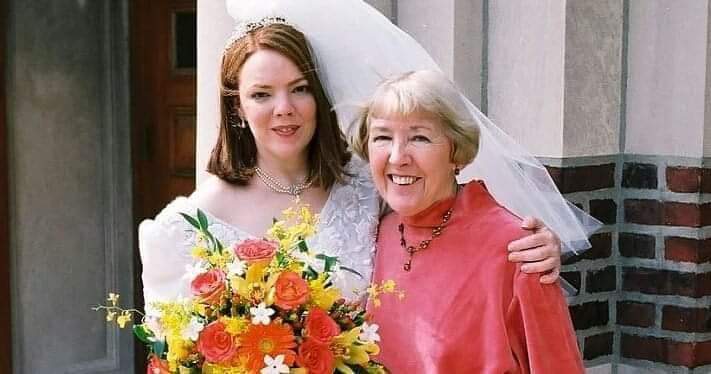

Sometimes I’d take her to the Film Forum when a classic star was introducing a movie. When Eddie Bracken came by for Miracle at Morgan’s Creek, I brought along my copy of Preston Sturges’ memoir and bolted from my seat for the lobby to find him before the movie began. When I came back, I breathlessly rattled off all the things he’d told me about the director and showed her the inscription he wrote: “He was and is my best friend.” Then I started crying. Mom turned to my husband Tim and said, half-apologizing and half-defending me, “She’s always been this way. I guess she didn’t fall far.”
Mom stayed home the night Fay Wray introduced The Wedding March, but I called her as soon as I got home. “She cried when we gave her a standing ovation, she was so overwhelmed,” I burbled, sobbing on the phone as I had at the theater. “And she’s so tiny, I think the applause almost knocked her off her feet.” On and on I blubbered until she finally asked to speak to Tim to make sure I was okay.

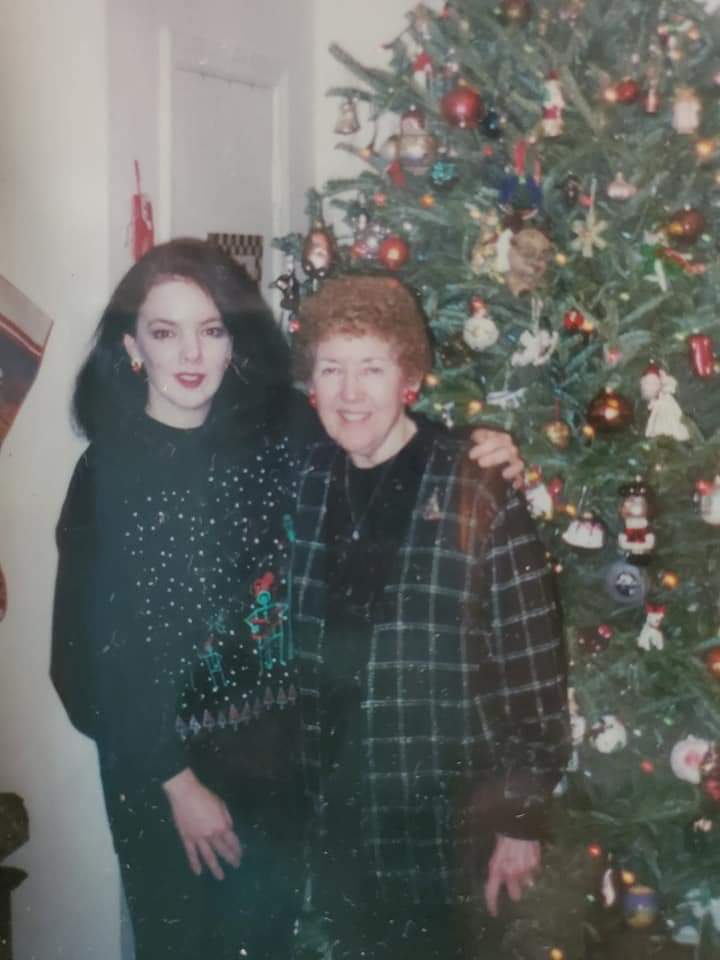
In 2019, when we visited her for Christmas, she held my arm as we left and asked if we’d like to come over for New Year’s Eve, a holiday she and I had always been “meh” about. I said sure and we brought over champagne and pie and ordered Italian food. I was prepared for an early evening, but we watched all three installments of That’s Entertainment. Her memory and hearing were failing—she hated her hearing aids—and there was a lot of her asking “Who is that again?” and me hollering back “That’s Gene Kelly!” or whoever, and sometimes we’d get into who was married to whom. But she was wide awake at midnight, and we toasted the new year sometime between dance numbers. It was the best New Year’s Eve I’ve ever had, or ever expect to.

TINTYPE TUESDAY: The Classic Film Ladies of Autumn
Don’t look now, but what’s that coming around the corner?

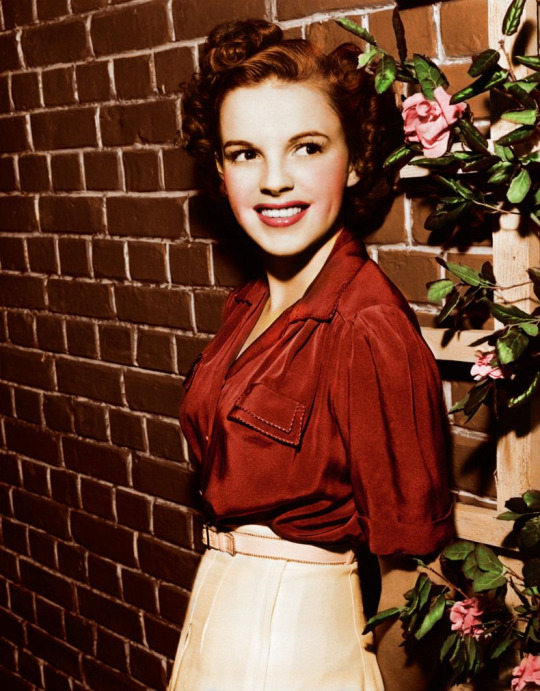
It’s… it’s… autumn! (At least in this hemisphere.) So let’s kick it off with a few of our favorite actresses decked out in their best reds, oranges, yellows and golds.
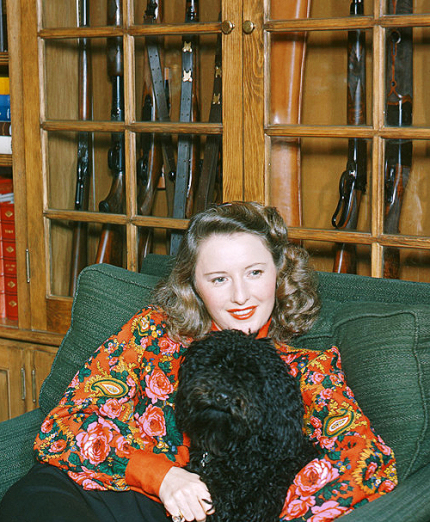
There’s something about these pix that’s kind of anti-cheesecake: No frozen smiles to match their chilly limbs. Some of these ladies are wearing their own clothes (including Missy, getting cozy in front of her gun rack), and none seem desperate to wriggle free of them as soon as the camera stops clicking. (Teresa Wright, below in a modest plaid, was especially pin-up averse, and had it written into her contract that she “shall not be required to pose for photographs in a bathing suit unless she is in the water. ” Much more on that wry and fabulous actress—and her hilarious contract riders—here.)
Happy Autumn to my classic film family of friends! I hope these images (fittingly concluding with Queen Olivia) help you over the end-of-summer blues and inspire you to pull on your favorite fall colors. And remember: there’s a pumpkin out there with your name on it…








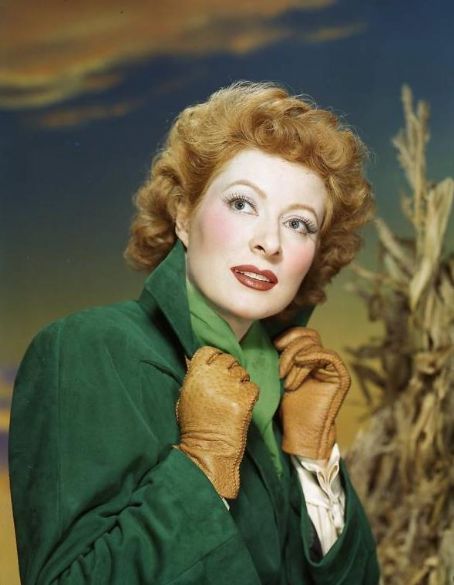

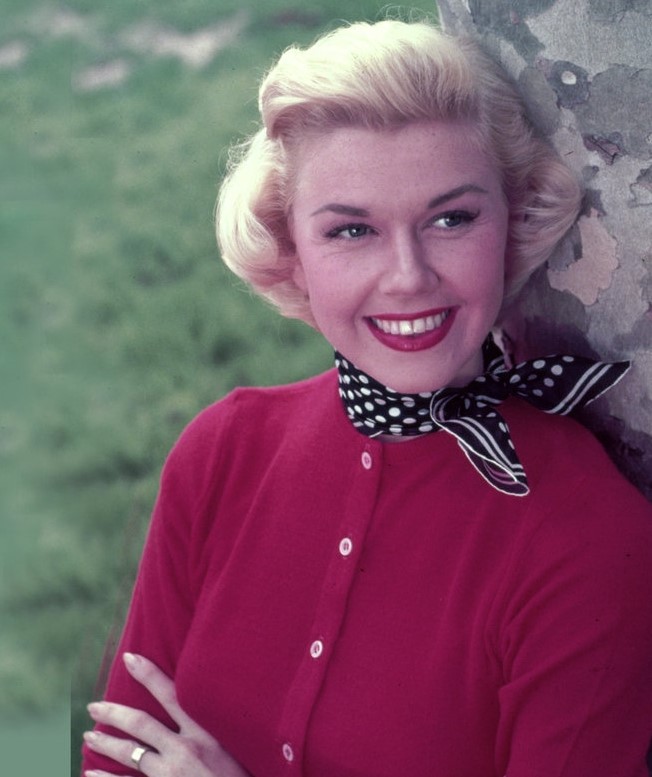


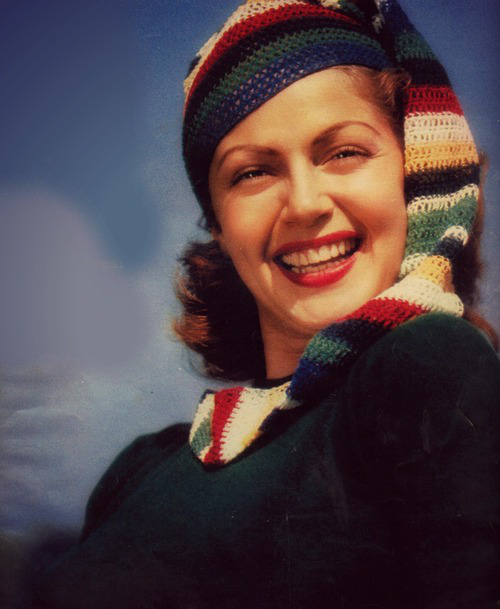
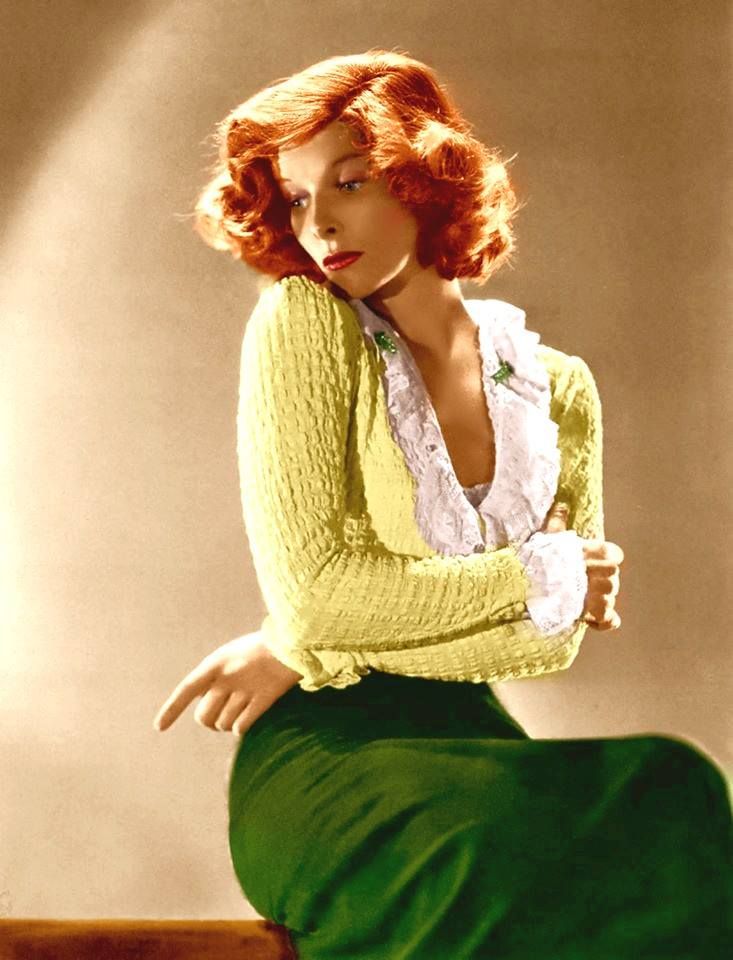


TINTYPE TUESDAY is a semi-regular feature on Sister Celluloid, with fabulous classic movie pix (and often a bit of backstory!) to help you make it to Hump Day! For previous editions, just click here—and why not bookmark the page, to make sure you never miss one?
Welcome to My Classic Movie Block Party!
Warning: This post contains a lot of foul language. I usually try to steer clear of that, but in this case I honestly don’t give a f*ck. And that’s the last asterisk I’m gonna use.
If a year can be an asshole, 2020 is one. So you know what? Let’s try not to add to the assholism.
I’m talking about the stupid, silly bullshit I see on classic social media.

First of course there’s the clickbait: Why This Show Produced 70 Years Ago Offends My Narcissistic Millennial Ass, or Why Directors Who’ve Forgotten More About Movies Than I’ll Ever Know Need To Love My Comic Book Epic or Shut Up Like Forever. But there’s also the petty bad behavior.
I don’t know about you, but I’ve gotten to the point where my fuck bag is pretty much empty; there’s just a couple of sticky grandma candies at the bottom and the fluff from some old tissue. If I feel so much as a molecule of irritation, I slap the block button like it’s a mosquito buzzing around my neck. At this point if my Twitter blocked list were a state, it would have, like, 11 electoral votes.

A few examples of my block triggers?
Gratuitious criticism. If someone posts a pic or clip of someone or something they love, you know what they don’t need? Hearing how that actor was overrated, or that actress gives you a stiff pain, or the remake was better, or that song sucks. There’s plenty of room for discussion when you’re livetweeting or just shooting the breeze back and forth. And God knows if someone says they can’t stand something I also loathe, I’m on it like a cat on tuna. (June Allyson makes me want to hang myself with a drapery cord. If you feel the same, come sit here by me!) But if somebody just innocently puts up a pic of a favorite of theirs and you hate it, just back the fuck off.
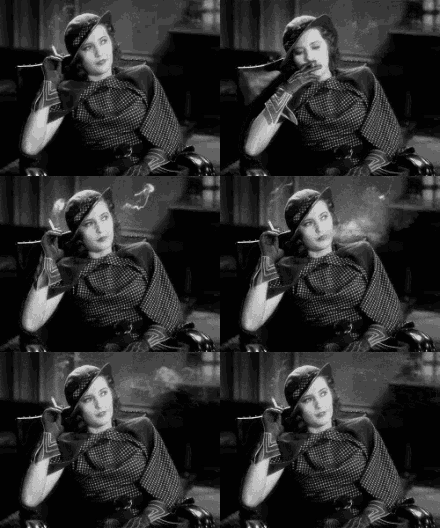
Being “corrected” when you’re right. Whoo boy, don’t get me started. I research my stories and even my social media posts pretty carefully, including through ancient sources like—gasp!—libraries. So when the “Actually” people pounce, I block them pretty fast. Oh and if I see a real mistake in someone else’s post and they follow me (which means I can message them), I always let them know privately. Doing so publicly is the social media equivalent of screaming across the room, “Hey, hon, your bra strap is hanging out!”

People who feel compelled to talk you out of your opinions. Has this worked, ever, in the history of time? I’m not talking about gamely trying to present facts to your uncle in the Fox bubble (and yeah, good luck with that). I mean when you say you love or hate an actor or film, and someone tries to “educate” you out of it. I can’t stand The Women, even though lots of my friends love it. But only one person ever tried to convince me I was “wrong” by “explaining” to me that, for instance, Rosalind Russell’s character is supposed to be broad. You don’t say so, really?!? Then I’ll just tell my migraine it’s utterly mistaken!
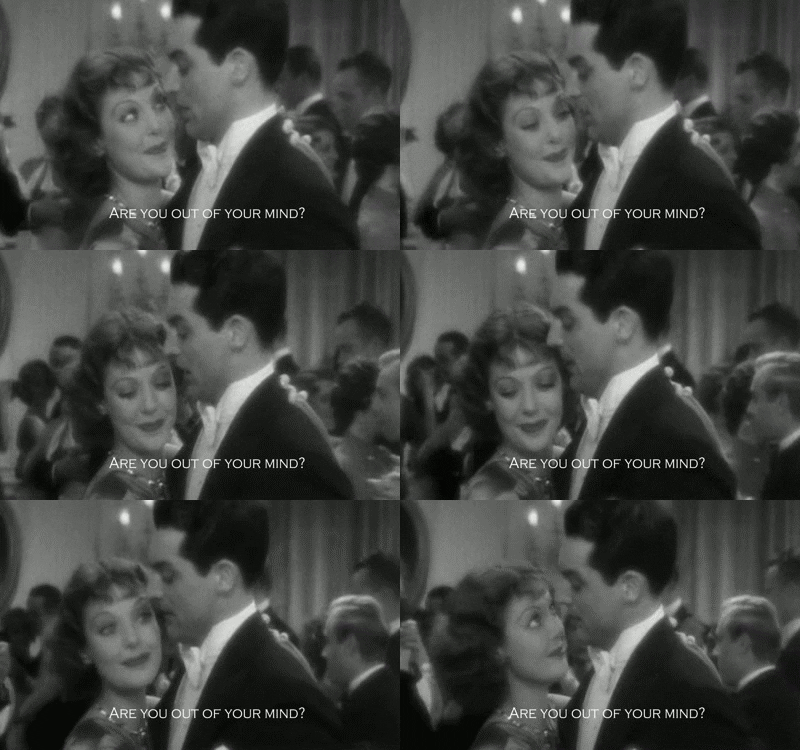
Cattiness. I had kind of a weird example of this recently: The glass came loose on the mirror of my old guilloche vanity set, revealing bits of old newspaper underneath, with stories about what was playing on the long-wave radio and how an 82-year-old grandmother had bobbed her hair. I posted the pix on Twitter, only to have someone comment that “sadly,” this meant the mirror was not original. (Yes because telling me this gave her a huge fucking sad.) But the newspapers were contemporaneous with the age of the set, and honestly I didn’t give a rat’s ass since I was simply sharing a fun story and not auditioning for Antiques Roadshow.
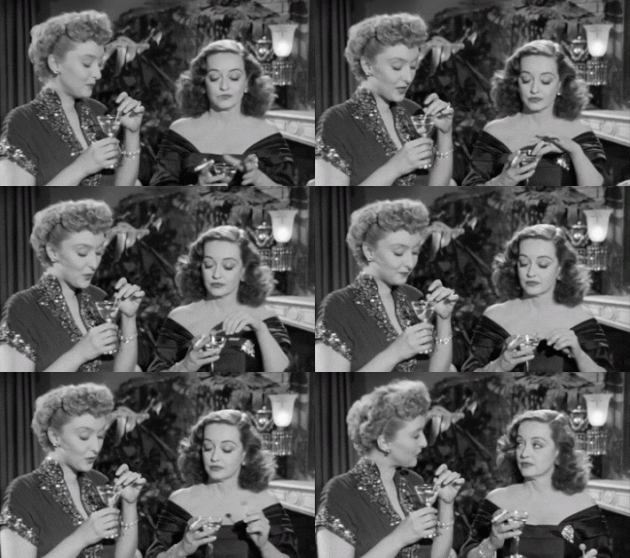
Stealing people’s stuff. Most of us, if we see something we like, will just share or retweet it. But then there are those who download the pic and repost it with a tweak, as if it were their own work. I caught someone doing this by putting a tiny black dot in a copy of a candid pic that I have the original of. Giving her the benefit of the doubt, I thought maybe she wasn’t using my photo. But nope, when she posted it, there was the black dot. I’ve since learned that despite having a large following, she does this all the time. Jesus, are there people so insecure and insanely self-promoting that they can’t just retweet or share? Yes. Yes there are.

General rudeness and nastiness. In this Godzilla year, who the fuck needs more monstrousness? I not only block people who are nasty to me, but anyone who’s rude to anyone who comments on one of my posts. I’ve even blocked people who were mean to friends, on posts I wasn’t even a part of. I’m from Brooklyn; you mess with my social media family, you mess with me.
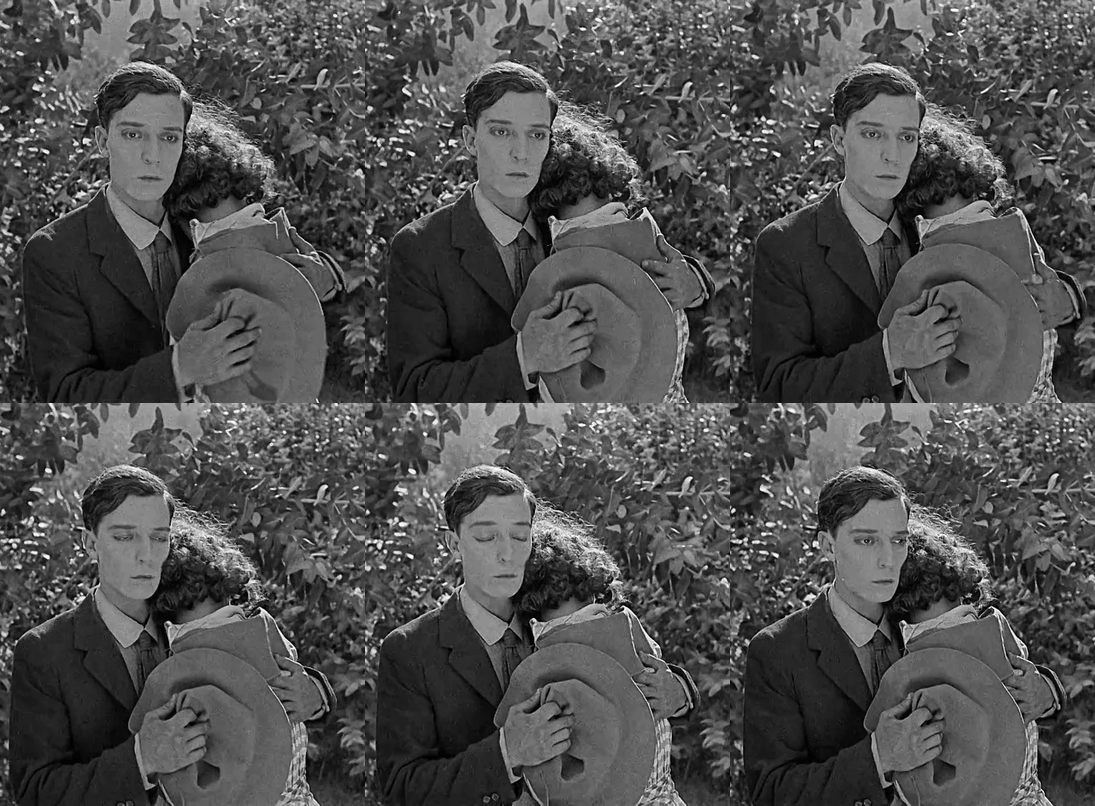
There are a zillion other examples floating around my curmudgeonly head, but thank you, my dears, for letting me vent this far. Heaven knows I’m no Pollyanna, but damn, especially these days, a little kindness goes a long way.

STREAMING SATURDAYS! Lizabeth Scott and Dan Duryea Find It’s TOO LATE FOR TEARS
Welcome to another edition of Streaming Saturdays, where we embed a free, fabulous movie for you to watch right here! This week it’s Byron Haskin’s noir thriller Too Late for Tears.
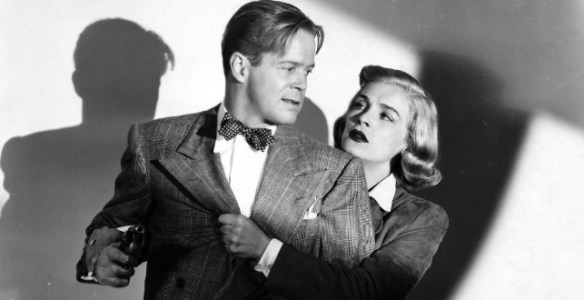
The film opens with a startling sight: an almost timid Lizabeth Scott.
When first we meet Jane Palmer (Scott), she and her husband Alan (Arthur Kennedy) are on their way to a party, but she’s begging him to turn the car around—fearing she’ll be the brunt of condescending comments from the hostess, “looking down her nose at me like a big, ugly house up there looks down its nose on Hollywood.”
When Alan finally relents and pulls over, a driver heading in the other direction mistakes him for a blackmailer he was due to meet, and tosses a bag of hot money into the back seat of their car. Alan is troubled, but Jane is practically vibrating with excitement—grabbing the wheel and going from zero to moll in 1.5 seconds, screeching and careening down the highway like Bonnie Parker’s blonder sister. When a cop stops them for speeding, she’s already going for the gun in the glove box until she realizes he’s not a threat. (And God help anyone who is.)


But if she’s a little fast, hubby’s a little slow. She wants to keep the cash, he wants to turn it over to the cops.
“What is it, Jane? I just don’t understand you,” he understates wildly. “I’ve tried to give you everything… everything I could.”
“You’ve given me a dozen down payments and installments for the rest of our lives,” she spits back.
Ouch.
But he still tries to pull her over to the side of the angels: “The only thing worth having is peace of mind, and money can’t buy that.” Hey buddy, have you actually met your wife?
The next day, while Alan’s at work, the actual blackmailer, Danny Fuller, drops by in the person of—who else?—Dan Duryea. He sizes her up as a schemer right away, but knows he needs her help to get the money. What he doesn’t know is how far she’ll go to keep it.


Danny threatens Jane (“I hope for your sake, beautiful, you’re not trying to soft-soap me—I wouldn’t take kindly to it.”) and even roughs her up a little, but it’s clear she’s calling the shots—and not just because she’s got the cash. She’s also got the stomach for just about anything, and he hasn’t. (You know you’re wicked when Dan Duryea is the voice of moderation.)
Danny’s shocked at just how venal Jane is—and just how much he wants her. (“Don’t ever change, tiger. I don’t think I’d like you with a heart.”) When she drags him down into her moral sewer, his self-loathing and self-awareness meet somewhere in the middle. And it’s actually pretty heartbreaking.
Even Jane is a bit taken aback by the dirty deeds she has to pull off—Why do people keep making me kill them?—but she gets over it in a hurry.

When Alan disappears, though, she has some explaining to do. Hot, or maybe lukewarm, on her trail are Alan’s doting sister Kathy (Kristine Miller)—a mother-in-law wannabe who lives across the hall—and Don Blake (Don Defore), who claims to be Alan’s old war buddy. When these human speed bumps sidled onto the screen during the film’s original run, I’m guessing they caused a stampede to the concession stands, much as when Alan Jones started warbling arias in A Night at the Opera.
Soon we discover that Don may or may not be all he seemzzzzzzz… Oops sorry, I’m back now. Kathy and Don are just about the worst argument ever for staying on the straight and narrow. Crime may not pay, but at least it keeps you awake. And when these two bundle into their little love scene, it’s just… sad. Especially after we’ve seen Dan Duryea pretty much swallow the lower half of Lizabeth Scott’s face. (That thudding sound you hear is a woozy Breen Office censor hitting the floor.)
I won’t give anything else away; enjoy it for yourself!
STREAMING SATURDAYS is a semi-regular feature on Sister Celluloid, bringing you free fun film! You can catch up on movies you may have missed by clicking here! And why not bookmark the page to make sure you never miss another?
STREAMING SATURDAYS! The Fabulous Ann Sheridan Is a WOMAN ON THE RUN
Welcome to another edition of Streaming Saturdays, where we embed a free, fabulous movie for you to watch right here!
This week, Ann Sheridan and Dennis O’Keefe star in the noir thriller Woman on the Run, with star-worthy support from Robert Keith and an adorable mutt named Rembrandt.
Sheridan co-produced the film not long after buying out her contract from Warner Bros., where they strapped her into a series of ever-tighter sweaters and dubbed her the Oomph Girl—a nickname she detested. (“‘Oomph’ is what a fat man says when he leans over to tie his shoelace in a phone booth.”) She stars as Eleanor Johnson, a bitter, jaded wife whose husband Frank (Ross Elliott) goes on the lam after witnessing a gangland slaying. Which turns out to be the best thing that ever happened to their miserable marriage.
When an inspector (Keith) arrives at the murder scene, he asks Frank if he’s married. “In a way,” he mutters half-heartedly. And that’s actually more enthusiastic than his wife is when the cops show up at their dingy flat, where the only sign of domesticity is a cupboard full of Ken-L Ration. (Like a lot of depressives, they may have given up on their marriage, their lives and themselves, but dammit, they take care of their dog.)
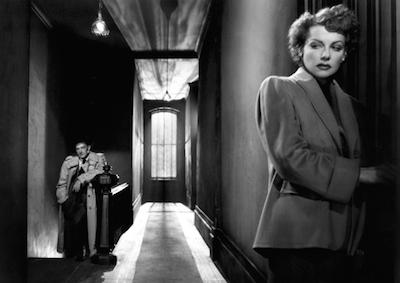

When Frank calls, Eleanor warns him that the police are tapping the line, so he hangs up and hits the road. But she soon learns from the cops—everyone seems to know more about her husband than she does—that he needs heart medicine he may not be able to survive without.
As Eleanor scours San Francisco in search of Frank, she discovers facets of his life she’d never known about: He went to the mat with his boss to save a friend’s job. He inspired a massive crush in a young secretary. He lived like Gaugin in Tahiti and Hemingway in Mexico. And he still loves his wife. That last bit of news comes as a something of a welcome shock to Eleanor. When the inspector tells her that a letter Frank wrote “sounds like a man in love,” she’s knocked a bit backwards with relief—almost allowing herself to feel hopeful. Then she leans in for a closer listen, as if she needs to hear it again.


Helping her on her quest to find her husband is noir regular O’Keefe as an obnoxious-but-charming reporter eager to snag an exclusive (and maybe Eleanor in the bargain). Sheridan has a crackly chemistry with him and with Keith, who seems to have been born craggy.
The whip-smart, cynically romantic script was written by Alan Campbell with an assist from director Norman Foster, who soaked up everything he could about mood, light and shadow from his mentor, Orson Welles. (Foster’s Journey Into Fear, featuring Welles, was so effective that Welles had to reassure skeptics he didn’t direct it himself.)
Campbell knew a thing or two about brittle, wearily witty women, having recently divorced Dorothy Parker. (They remarried afterward; film as couples therapy?) And for his part, Foster endured a rather… complicated marriage to Claudette Colbert (she lived with her mother; he didn’t).


Anyone else notice more than a passing resemblance between Foster and the guy he chose to play the husband?


Woman on the Run is lovingly shot all over San Francisco, which becomes a character in the film. And this isn’t Hitchcock’s glistening city by the bay: it’s docks and dives and dime stores, with the occasional edifying bit of architecture thrown in for good measure. (City Hall doubles as an art gallery.) The film climaxes with a harrowing chase through a spooky seaside amusement park (its one faithless locale: logistics dictated that they shoot at Ocean Park Pier in Santa Monica).


Even The New York Times‘ Bosley Crowther liked the film, kinda: “Since it never pretends to be more than it is, Woman on the Run… is melodrama of solid if not spectacular proportions. Working on what obviously was a modest budget, its independent producers may not have achieved a superior chase in this yarn about the search by the police and the fugitive’s wife for a missing witness to a gangland killing. But as a combination of sincere characterizations, plausible dialogue, suspense and the added documentary attribute of a scenic tour through San Francisco, Woman on the Run may be set several notches above the usual cops-and-corpses contributions from the Coast… will not win prizes but does make crime enjoyable.”
As usual with Crowther’s work, you’re tempted to write “he sniffed” at the end. As best I can figure, there was once some kind of annual prize for who could drip the most condescension, and he was determined to snag it every year running. But I think you’ll like Woman on the Run much more than he did.
STREAMING SATURDAYS is a semi-regular feature on Sister Celluloid, bringing you free fun film! You can catch up on movies you may have missed by clicking here! And why not bookmark the page to make sure you never miss another?


Recent Comments